Join us in shaping the future of espresso innovation
Share your product ideas and market needs
Participate in prototype testing and optimization
Co-develop products with stronger market competitiveness


Estimated reading time: 21 minutes
Choosing the right coffee machine starts with the serving environment, not the appearance of the machine. A suitable model must match the drinks you plan to serve, expected daily demand, user skill level, available space, cleaning routine, and service capability.
This guide helps business buyers, distributors, office coffee providers, hospitality operators, and retailers make a more practical coffee machine selection. It explains how to compare machine types, evaluate important specifications, and avoid common purchasing mistakes before adding a model to a project or product range.
For a broader overview of brewing formats, see our Coffee Maker Types guide.
Quick answer: Choose a coffee machine by first defining the application, beverage menu, daily and peak demand, operator skill level, maintenance capacity, and destination-market requirements. The best machine is the one that supports the real workflow reliably, rather than simply offering the longest feature list.
Why is buying the perfect commercial coffee machine incredibly difficult today? The modern equipment market completely overwhelms business owners with endless, confusing choices. Manufacturers constantly flood the industry with diverse machine types, ranging from traditional manual levers to fully automated bean-to-cup systems. Furthermore, different commercial scenarios demand entirely different mechanical architectures. A high-volume specialty cafe requires a massive dual-boiler system with a robust rotary pump. Conversely, a quiet boutique hotel lobby simply needs a low-maintenance, reliable capsule brewer.
Selecting the wrong equipment inevitably leads to disastrous business results. You will waste significant capital on unnecessary thermodynamic features. Worse, your baristas will suffer from low cup efficiency and massive service bottlenecks during the morning rush. Therefore, understanding the exact correlation between machine specifications and your daily workflow remains paramount.
At Empstorm, we engineer precision tools to eliminate this procurement guesswork. This definitive guide will walk you through the entire decision-making process. Specifically, we will help you evaluate core machine categories, define realistic budget ranges, match commercial scenarios, and decode critical parameters like 9-bar pressure and PID temperature stability. To build your foundational knowledge first, please explore our comprehensive breakdown on Coffee Machine Types.
A coffee machine may perform well in one setting and be unsuitable in another. Before comparing models, identify where the machine will operate and who will use it.
An office pantry usually needs straightforward operation, reliable output, and manageable cleaning. A hotel may need a guest-friendly machine with a consistent beverage experience. A cafe or restaurant needs equipment that fits staff workflow, peak service periods, and the expected menu. A distributor also needs to consider the target price segment, local support capability, and how the product fits within the wider range.
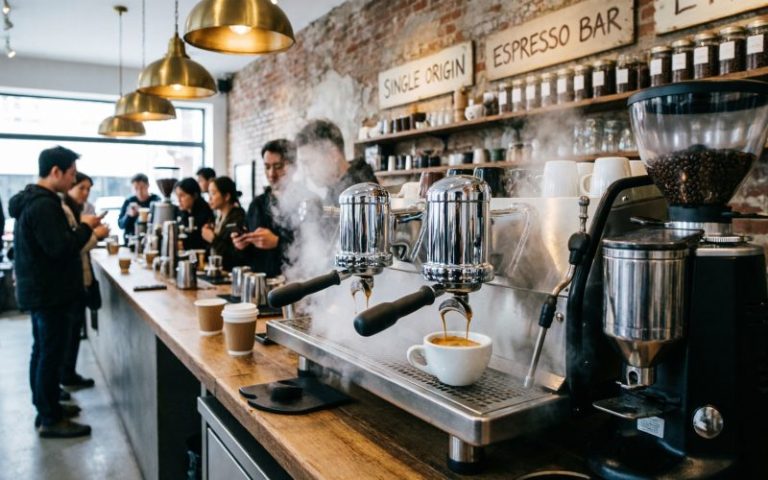
Specialty coffee shops demand absolute extraction perfection and relentless durability. Therefore, you must invest heavily in a dedicated Commercial Espresso Machine. We strongly recommend configuring a 2-group or 3-group system. Specifically, multi-group setups allow multiple baristas to pull shots simultaneously during brutal morning rushes. You must demand rotary vane pumps and massive dual-boiler systems. Consequently, these components maintain flawless 9-bar pressure and extreme thermal stability.
Furthermore, advanced PID control is strictly non-negotiable here. A mere 1°C variance easily destroys the delicate acidity of a light roast. Additionally, programmable pre-infusion systems gently saturate the coffee puck before applying full pressure. This essential physics step mitigates channeling and maximizes flavor yield. However, your premium espresso machine is entirely useless without proper grinding.
Consequently, you must pair the machine with a professional flat burr commercial grinder. The grinder dictates the particle uniformity required for the commercial 58mm portafilter standard. Therefore, always secure your grinder budget before selecting the espresso machine.
For a deep dive into cafe setups, read How to choose coffee machine for café.
Restaurants face completely different and highly erratic operational challenges. Specifically, they experience sudden, massive surges in coffee orders immediately after dinner service. Therefore, relying solely on a manual espresso machine creates disastrous service bottlenecks. We highly recommend a strategic Espresso and Drip combination setup.
A reliable 1-group or 2-group espresso machine handles complex specialty requests like cappuccinos. Simultaneously, a high-capacity, SCA-certified drip brewer manages standard black coffee requests instantly. Consequently, this hybrid approach prevents your bar staff from getting overwhelmed. Furthermore, commercial batch brewers require almost zero barista training. Your waitstaff can easily serve high-quality coffee without interrupting the bartender.
Discover more integration tactics in How to Choose the Right Coffee Machine for Commercial Systems.
Hotel environments prioritize extreme hygiene, user autonomy, and absolute convenience. Specifically, guests expect premium coffee without reading complex brewing instructions. Therefore, Capsule Coffee Machines perfectly dominate in-room hospitality. These compact systems utilize rapid thermoblocks for instant, completely mess-free brewing. Consequently, housekeepers save thousands of labor hours avoiding loose coffee grounds.
Conversely, premium hotel lobbies and executive lounges demand high-end Bean-to-Cup solutions. These super-automatic machines grind fresh beans internally for every single cup. Furthermore, they feature automated, self-cleaning milk systems to ensure absolute food safety. Therefore, they deliver a luxurious, aromatic café experience automatically. To keep your team productive, learn exactly How to choose coffee machine for office environments effectively.
👉 Analyze the financial breakdown: Capsule vs Bean-to-Cup Machine: Commercial ROI Guide.
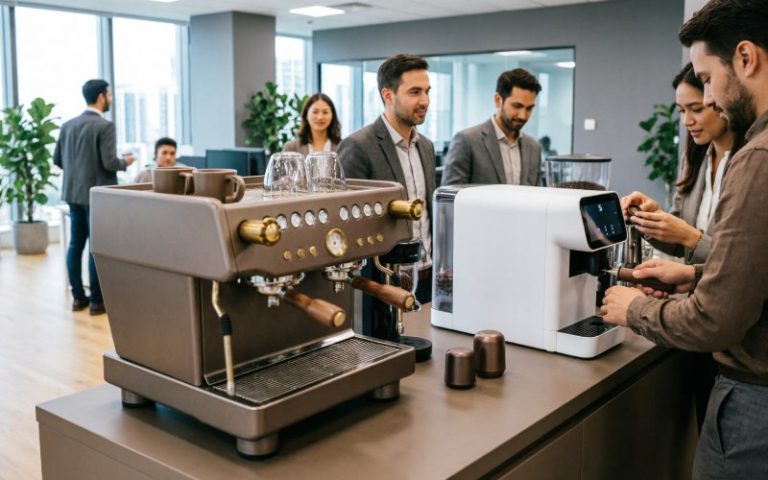
Corporate offices need to boost employee productivity quickly and efficiently. Therefore, fully automatic machines remain the undisputed champion for modern workplaces. These machines eliminate the messy puck preparation process entirely. Employees simply press one button to receive a perfectly layered latte. Consequently, investing in high-quality office coffee physically keeps employees inside the building.
Furthermore, modern automatic machines offer extensive, customizable drink menus. They easily satisfy diverse staff preferences without requiring any manual intervention. Additionally, the daily maintenance requirements are incredibly low. Office managers only need to execute automated cleaning cycles and empty the drip tray. Ultimately, this equipment pays for itself through significantly recovered labor time.
| Application | Typical priorities | Questions to answer |
|---|---|---|
| Office coffee service | Convenience, reliable shared use, easy cleaning | How many employees will use it? Is self-service required? |
| Hotel and guest areas | Presentation, speed, consistent drinks | Is the machine guest-operated or staff-operated? |
| Cafe and restaurant | Workflow, beverage menu, peak demand | Are espresso and milk drinks central to the menu? |
| Retail and home channels | Ease of use, footprint, product positioning | Which consumer need or price segment does the model serve? |
| Distribution programs | Product range, compliance, serviceability | Can the local channel support installation, spare parts, and after-sales service? |
Explore coffee machine applications before narrowing your selection. You can also review dedicated solutions for office coffee service, hotel coffee machines, cafe applications, and restaurant coffee service.
Assessing your business environment is the most critical procurement step. You cannot properly evaluate thermodynamic specifications without defining your daily operations first. Consequently, mismatching equipment to your commercial workflow destroys your return on investment. At Empstorm, we evaluate four crucial operational metrics before recommending any hardware. Therefore, analyze these factors carefully to prevent costly purchasing mistakes.
Your daily cup volume directly dictates your necessary boiler size and pump architecture. Pushing a small machine beyond its limit causes severe temperature drops. Specifically, cold brewing water leads to sour, deeply under-extracted espresso. Conversely, buying a massive machine for low volume wastes significant electricity and counter space. Furthermore, it degrades water quality inside the unused boiler. Use this baseline matrix to guide your hardware category.
| Daily Cup Volume | Recommended Machine Profile | Thermodynamic Requirement |
|---|---|---|
| Under 50 Cups | Prosumer / Single Group | Heat Exchanger (HX) or Small Dual Boiler |
| 50 – 200 Cups | Light Commercial / 1-2 Group | Dedicated Dual Boiler with Rotary Pump |
| 200+ Cups | Heavy Commercial / 2-3 Group | Massive Multi-Boiler System (10L+) |
Expert Note: Always calculate your “Peak Hour Rush.” Brewing 200 cups evenly over ten hours is easy. However, brewing 100 cups in one morning hour requires intense thermal recovery speed.
Different commercial venues experience entirely different traffic patterns and customer expectations. Specifically, a specialty café faces intense morning rushes where customers demand intricate latte art. This environment requires a traditional multi-group espresso machine with powerful steam wands. Conversely, a busy restaurant needs steady, moderate pacing during evening dinner service. Therefore, a reliable one-group machine often suffices alongside a batch brewer.
Hotel breakfast buffets present another unique challenge. They demand massive, instant batch availability for hundreds of guests simultaneously. Consequently, high-capacity drip brewers are mandatory here. Additionally, small corporate offices value self-service speed and zero mess above barista-level craft. Matching the machine interface to your specific user demographic ensures maximum satisfaction.
Staff turnover severely impacts the modern hospitality industry. Therefore, buying a complex manual lever machine for untrained teenagers is a massive operational mistake. You must align your machine’s automation level with your team’s actual barista capabilities. Consequently, this strategy minimizes training costs, reduces coffee waste, and ensures absolute flavor consistency across every shift.
| Staff Skill Level | Recommended Machine Type | Business Rationale |
|---|---|---|
| Professional Barista | Manual / Semi-Automatic | Allows micro-adjustments and pressure profiling for elite flavor. |
| Basic Training | Volumetric Automatic | Automates water dosing to prevent inconsistent shot yields. |
| No Training | Capsule / Bean-to-Cup | One-touch operation entirely eliminates human error and mess. |
Commercial coffee machines are heavy-duty industrial tools. They are definitively not simple plug-and-play kitchen appliances. Before purchasing any equipment, you must audit your physical infrastructure. Specifically, true commercial espresso equipment strictly requires 220V or 240V electrical outlets. Standard 110V circuits simply cannot power massive 10-liter boilers fast enough to maintain thermal stability.
Furthermore, you must evaluate your water source. High-volume rotary pump machines require direct plumbed water lines. You absolutely cannot manually refill water reservoirs during a busy morning rush. Additionally, you must install dedicated floor drainage for the machine’s drip tray to prevent flooding. Finally, always calculate your exact counter space. You must leave ample room for commercial flat burr grinders, knock boxes, and tamping mats.
Coffee machine selection should be guided by the intended beverage menu. A machine designed for filtered coffee does not replace an espresso system, and a convenient pod system may not suit an operation that needs fresh-ground milk drinks.
Start by deciding which drinks matter most:
The right choice depends on both variety and volume. A broad menu may require more operator involvement and more frequent cleaning. A simple menu can support easier training and a more predictable workflow.
| Beverage requirement | Suitable starting point | Main consideration |
|---|---|---|
| Espresso-based menu | Espresso coffee machines | Extraction workflow, steam capability, and operator skill |
| Fresh-ground convenience | Bean-to-cup or automatic systems | Cleaning cycle, drink options, and peak-time demand |
| Simple single-serve drinks | Capsule coffee machines | Pod supply, waste handling, and user simplicity |
| Batch black coffee | Filter and drip coffee machines | Batch size, holding method, and brew schedule |
| Cold beverage menu | Cold brew coffee machines | Brewing method, serving format, and cleaning needs |
Do not select a machine based on beverage capability alone. The same drink menu may require different equipment depending on whether it is prepared by trained staff, office employees, guests, or consumers.
Daily cup volume is useful, but peak demand is often more important. A machine that handles average usage may still create long queues or interrupt service during a busy period.
For example, an office may have most users making coffee within a short morning window. A restaurant may require rapid service after a meal period. A hotel breakfast area may have several guests using the machine at once. These situations require a realistic view of the busiest operating period.
Before buying, answer these questions:
Avoid relying on an assumed “cups per day” figure without considering usage patterns. Capacity should be evaluated alongside water supply, bean or pod replenishment, waste handling, heating recovery, and cleaning interruptions.
The best machine for trained baristas is not necessarily the best machine for an office pantry or hotel guest room.
Semi-automatic espresso machines can provide greater control over grinding, dosing, extraction, and milk preparation. That control can be valuable where staff have the time and training to use it well. However, a self-service environment may benefit more from simpler controls, programmed drink options, or a single-serve format.
| User type | Useful machine characteristics |
|---|---|
| Trained baristas | Greater control, flexible espresso workflow, dedicated milk preparation |
| Restaurant or hotel staff | Repeatable operation, practical cleaning, speed during service |
| Office employees | Clear controls, low training needs, simple daily care |
| Guests or consumers | Intuitive use, safety, convenient serving format |
| Distributors and retailers | Clear product positioning, understandable features, manageable support needs |
If semi-automatic espresso is part of your product strategy, compare available semi-automatic espresso machine options against the training level of the intended users.
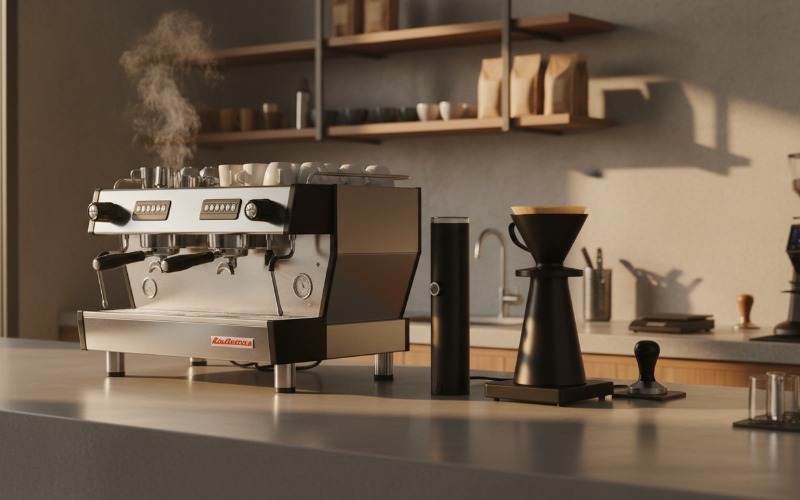
Coffee machine types differ in brewing method, user experience, required skill, and maintenance routine. The table below provides a practical starting point, but individual product specifications should always be checked before purchase.
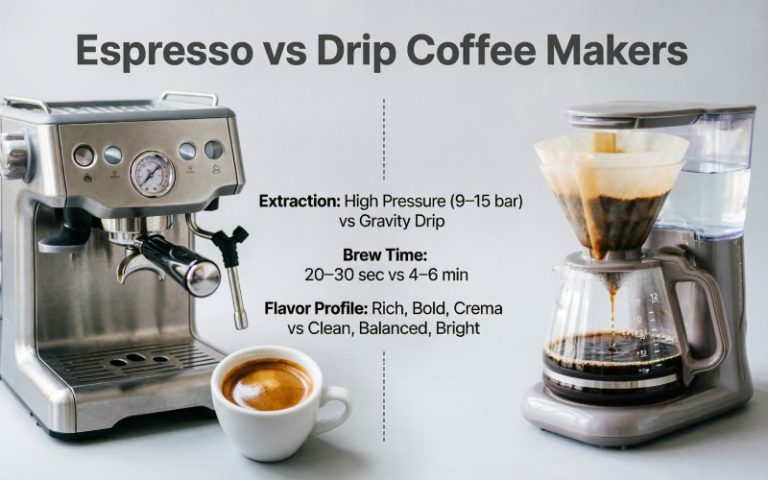
Traditional espresso machines are the heart of specialty coffee shops. They use 9 bars of pressure to emulsify coffee oils into a rich crema. These machines require professional baristas to grind, dose, and tamp the coffee manually. They offer the highest beverage quality and ultimate control over flavor profiling. Consequently, they are essential for cafes and premium restaurants. Read our complete guide on Espresso Machine Types to explore manual and semi-automatic variations.
Drip coffee makers excel at producing massive batches of black coffee quickly. They rely on gravity and precise showerhead dispersion. These brewers are indispensable for hotel breakfasts, busy diners, and large corporate meetings. They require very little staff training. You simply load the filter, press brew, and serve.
Capsule systems prioritize ultimate convenience and consistency. They use pre-packaged pods, eliminating the need for separate grinders and messy coffee grounds. These machines are perfect for hotel rooms, waiting areas, and small offices. They require virtually zero daily maintenance or barista training. However, the cost per cup is generally higher.
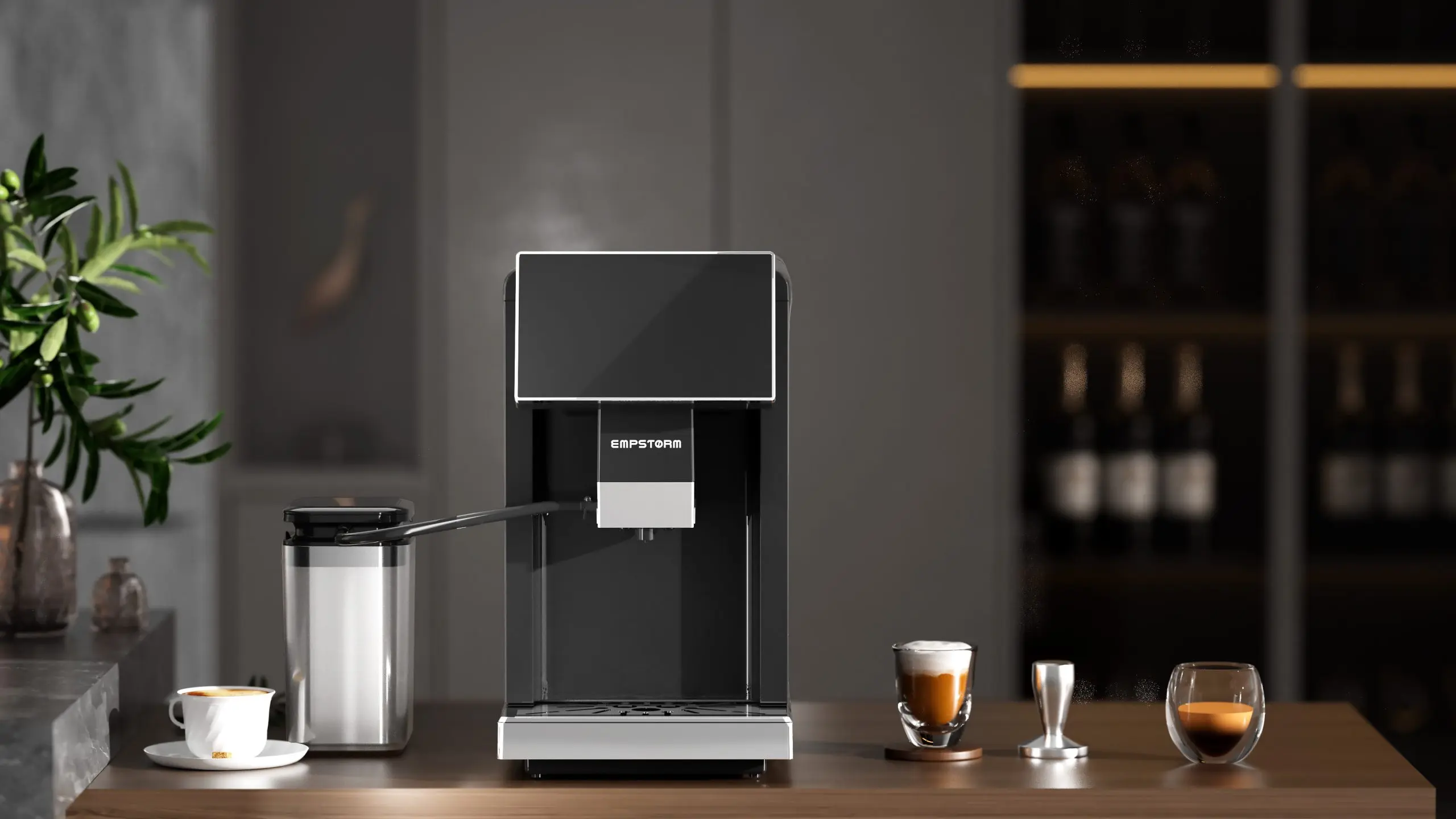
Super-automatic bean-to-cup machines handle the entire extraction process internally. They grind fresh beans, tamp the puck, and froth the milk with one touch. These units are ideal for high-end offices, airport lounges, and self-service bakeries. They deliver fresh coffee aroma without requiring skilled labor.
| Machine type | Often selected for | Strengths | Points to evaluate |
|---|---|---|---|
| Espresso machine | Cafes, restaurants, specialty coffee, premium home use | Espresso-based drinks and manual control | Operator training, milk workflow, cleaning, peak demand |
| Bean-to-cup machine | Offices, hospitality, self-service environments | Fresh-ground coffee with convenient operation | Drink selection, cleaning programme, water and waste capacity |
| Pod or capsule machine | Offices, guest rooms, retail, compact spaces | Quick single-serve coffee and simple operation | Pod supply, waste handling, beverage range |
| Drip or filter coffee maker | Offices, catering, batch service | Multiple servings of black coffee | Batch size, holding method, brew schedule |
| Cold brew machine | Cold beverage programmes and specialised use cases | Cold coffee format and menu differentiation | Brewing process, serving format, cleaning process |
For a full explanation of how brewing formats differ, visit Coffee Maker Types. For a technical explanation of internal systems, visit How Coffee Machines Work.
A specification sheet should support a buying decision, not replace it. Numbers and features only matter when they improve the planned workflow.
Confirm the drinks the machine can produce and how each drink is prepared. If milk-based beverages are required, identify whether milk preparation will be manual, integrated, or not needed at all.
Consider whether the machine will use a refillable water tank or require a plumbed connection. Check the installation space, access to water, drainage requirements where applicable, and the ability to perform routine cleaning.
For international distribution and commercial projects, voltage, frequency, plug format, and local electrical requirements must be confirmed before ordering. A model that is suitable in one market may need a different configuration for another.
Measure the intended installation space rather than judging size from product images. Include room for water access, opening lids or hoppers, removing drip trays, and completing regular cleaning.
A coffee machine should be easy to maintain in its actual location. Consider access to removable parts, cleaning chemicals, water filters where applicable, and who will carry out daily, weekly, and periodic care.
Read our Coffee Machine Maintenance and Troubleshooting guides before finalising equipment for a high-use environment.
This specific section separates amateur kitchen appliances from professional coffee tools. At Empstorm, we evaluate machines based on strict thermodynamic precision. Understanding these internal components guarantees you purchase highly capable, durable equipment. Therefore, let us deeply decode the critical specifications that drive your final extraction yield.
Boiler architecture absolutely dictates your daily brewing speed and volume capacity. A Single Boiler uses one chamber for both brewing and steaming. Consequently, you must painfully wait for temperatures to adjust between these tasks. A Heat Exchanger (HX) allows simultaneous brewing and steaming using internal copper tubing. This system provides excellent value for mid-volume environments.
Finally, a Dual Boiler dedicates independent, heavy-mass chambers to each specific function. Therefore, dual boilers offer ultimate, unwavering temperature stability for high-volume cafes. They prevent the brew water from ever boiling over. Specifically, compare these intricate thermodynamic setups deeply in our Single vs Dual Boiler technical guide.
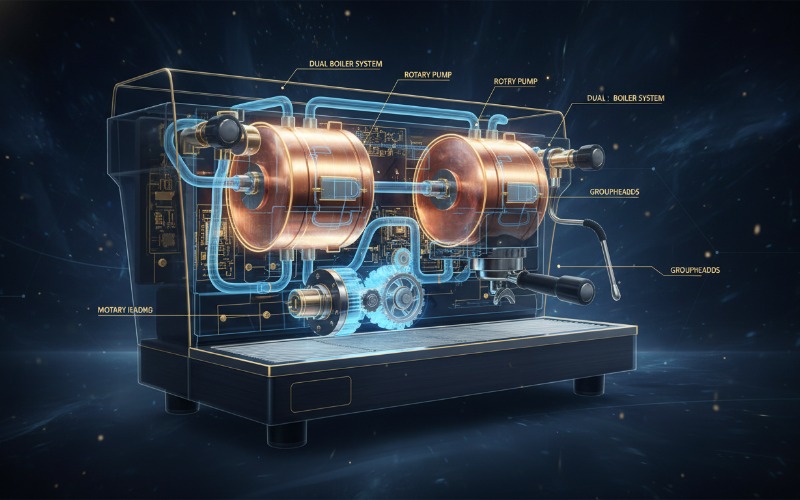
Pumps generate the exact water pressure required for proper espresso extraction. Most entry-level machines utilize vibratory pumps. These small components are inexpensive and incredibly compact. However, they are noticeably loud and degrade faster under heavy commercial workflows. In contrast, rotary vane pumps represent the undisputed commercial industry standard.
Rotary pumps operate silently and provide instantly flat, consistent pressure curves. Furthermore, they boast significantly longer operational lifespans. Additionally, rotary pumps uniquely allow for direct plumbed water line connections. This completely eliminates the tedious need to manually refill water tanks during service.
Never fall for cheap marketing tricks regarding maximum pump pressure. True, traditional espresso extracts perfectly at exactly 9 bars of pressure. Pushing 15 or 20 bars simply crushes the coffee puck and causes bitter channeling. Furthermore, always demand the commercial 58mm portafilter standard. This wider diameter ensures a thin, even coffee bed for optimal water dispersion.
Finally, strict PID (Proportional-Integral-Derivative) control is completely non-negotiable for specialty coffee. A digital PID algorithm actively pulses the heating element to maintain water temperature within 1°C. Consequently, this extreme stability prevents your delicate light roasts from tasting excessively sour or violently burnt.
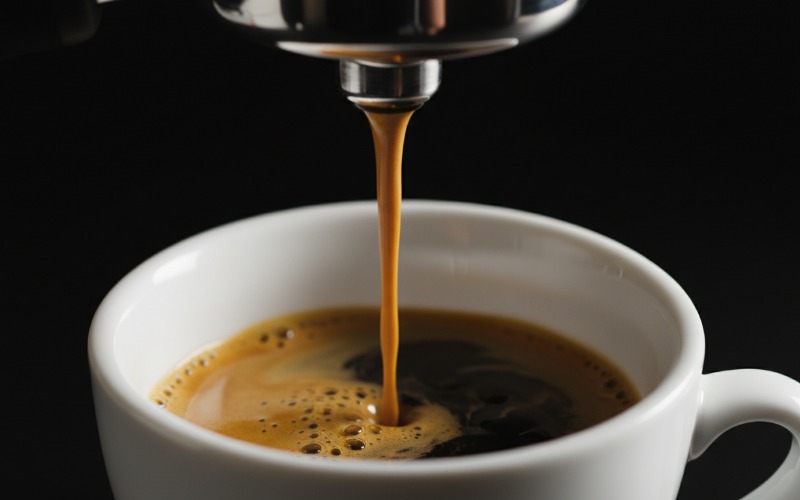
Expert Note: Combine 9-bar pressure with a programmed “Pre-infusion” stage. Gently wetting the coffee puck at 2 bars before full extraction dramatically reduces channeling and boosts sweetness.
Commercial coffee equipment absolutely requires rigorous, daily cleaning protocols to survive. Therefore, always look for machines featuring automated backflushing and cleaning cycles. This essential software feature saves your baristas significant labor time during closing shifts. It flushes rancid coffee oils out of the group head automatically.
Additionally, prioritize machines designed with easily removable internal components. Accessible brew groups and unscrewable steam wand tips reduce your long-term service costs significantly. Ultimately, a clean machine brews better tasting coffee and easily lasts a decade longer than a neglected one.
Budgeting for coffee equipment involves more than the initial sticker price. You must calculate the Total Cost of Ownership (TCO). This includes water filtration systems, routine maintenance, and replacement parts.
| Budget Range | Ideal Machine Type | Best Suited For |
|---|---|---|
| Under $500 | Capsule / Entry Drip Makers | Small Offices, Hotel Rooms |
| $500 – $1,500 | Prosumer Semi-Automatic | Boutique Bakeries, Enthusiast Offices |
| $1,500 – $5,000 | 1-to-2 Group Commercial | Restaurants, Mid-Sized Cafes |
| Over $5,000 | High-End Multi-Group Commercial | High-Volume Specialty Coffee Shops |
The unit price is only one part of the buying decision. Total cost of ownership includes ongoing work and resources needed to operate the machine effectively.
Consider:
A lower initial purchase price does not automatically mean lower operating cost. Likewise, a more capable machine may not provide value if the application does not need its full functionality.
For distributors, this evaluation is especially important. The product range should match the channel’s ability to explain, install, maintain, and support each product category.
Distributors should assess coffee machines as products and as long-term channel commitments. Beyond the product itself, confirm whether the machine suits the target customer, retail or project channel, and local after-sales model.
Before importing or adding a new machine to a range, confirm:
Do not make compliance or certification claims in product descriptions unless they are documented for that exact model and market.
Use the following sequence to make a practical decision.
Identify the location, users, serving style, and expected demand.
Decide whether the priority is espresso, milk drinks, black coffee, single-serve convenience, batch brewing, or cold beverages.
Compare espresso, bean-to-cup, pod, drip, and cold brew formats against the application.
Confirm space, power, water, cleaning access, and daily operating capability.
Establish who will clean, descale, troubleshoot, and arrange technical support.
For B2B projects or distribution, confirm market requirements, documentation, packaging, and after-sales needs before placing an order.
Before you finalize any purchase order, run your decision through this professional checklist. This ensures you cover every operational angle and avoid buyer’s remorse.
Navigating commercial coffee equipment is complex, but you do not have to do it alone. At Empstorm, we help distributors, cafes, and corporate businesses find the exact hardware for their thermodynamic needs. We manufacture precision equipment designed for longevity, extraction quality, and seamless workflow.
Design is important for some locations, but it should not outweigh operating requirements, maintenance access, and actual drink demand.
A machine may be acceptable during quiet periods but unsuitable when many users need drinks in a short window.
Advanced controls can be useful for trained operators. In a self-service environment, they can increase training needs and operating mistakes.
Cleaning requirements affect machine reliability, beverage quality, user experience, and operating cost. Assess them before purchase.
Voltage, plug, documentation, compliance, service expectations, and customer preferences may differ by destination market.
Explore Coffee Machine Categories: