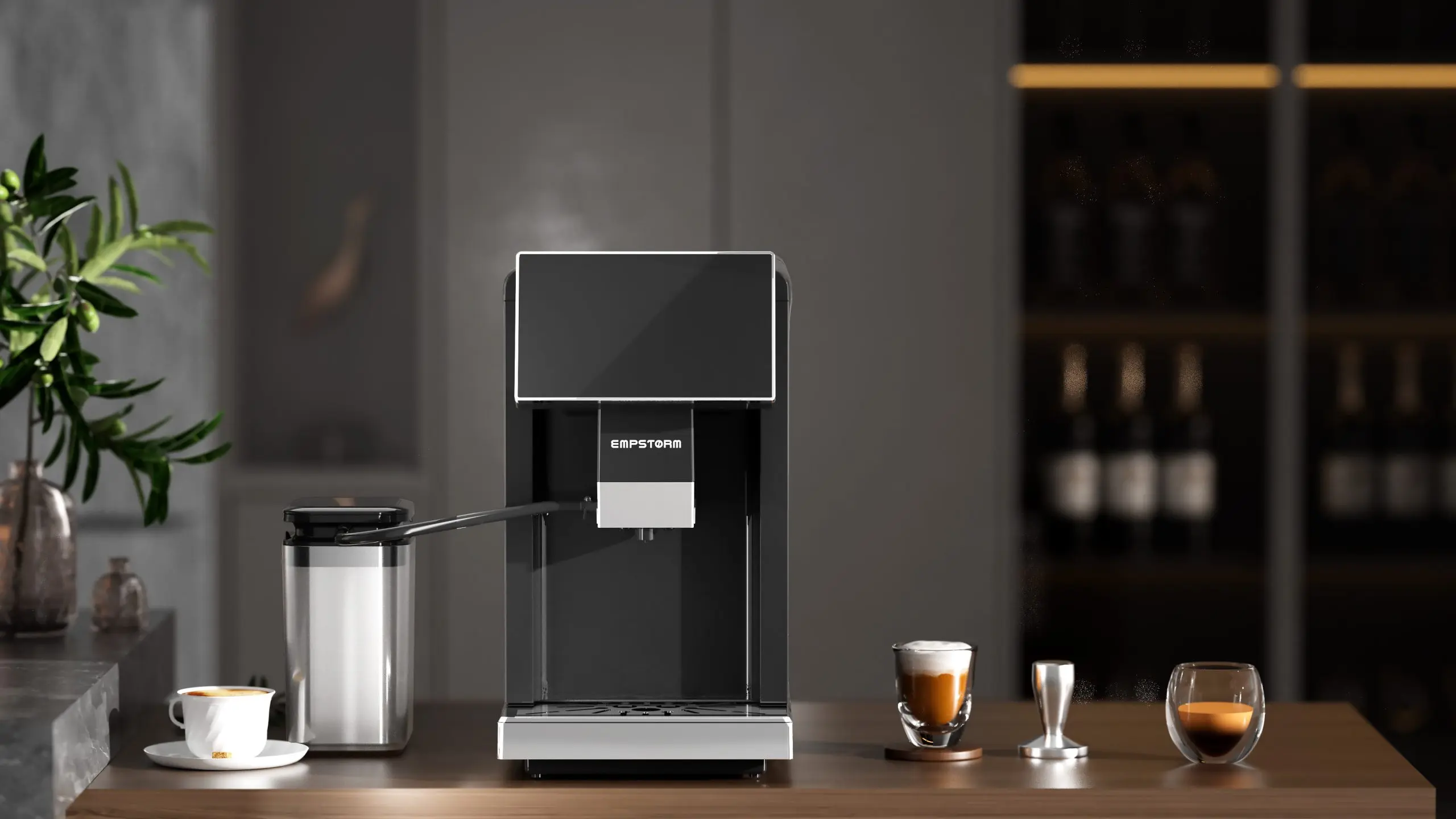
Join us in shaping the future of espresso innovation
Share your product ideas and market needs
Participate in prototype testing and optimization
Co-develop products with stronger market competitiveness

Understand how water, heat, coffee, flow control, and cleaning systems work together across espresso, bean-to-cup, pod, drip, and cold brew machines.
Coffee machines use heat, water, coffee, and controlled brewing time to produce a drink. The exact process varies by machine type, but most systems manage the same core stages: preparing water, heating it, bringing it into contact with coffee, controlling the brewing process, and directing the finished beverage into a cup or serving vessel.
This guide explains the main systems behind espresso, bean-to-cup, pod, drip, filter, and cold brew machines. It is designed for buyers, distributors, operators, and anyone who needs to understand how coffee machine technology affects drink quality, workflow, cleaning, and product selection.
This resource is part of the Coffee Machine Knowledge Hub. You can also explore Coffee Maker Types, Coffee Machine Buying Guides, and Maintenance and Troubleshooting Guides.
Quick answer: a coffee machine prepares water, brings it into contact with coffee using a defined brewing method, delivers the beverage, and provides a way to manage residue and routine cleaning. A pump is important in many espresso and capsule systems, but it is not required for every form of coffee brewing.
Component names and layouts vary between models. The following table shows the functional systems a buyer or operator should recognise when reviewing equipment specifications, installation requirements, or service routines.
| System | What it does | Why it matters |
|---|---|---|
| Water supply | Stores or receives water for brewing. | Affects installation, refill frequency, and daily operation. |
| Heating system | Prepares water for the brewing process. | Influences workflow and drink consistency. |
| Brewing system | Brings water and coffee together. | Determines whether the machine produces espresso, filter coffee, pod drinks, or cold brew. |
| Water-flow system | Moves water through the machine where required. | Especially important in pressure-based brewing systems. |
| Grinder | Grinds whole beans before brewing, where included. | Supports fresh-ground coffee but adds cleaning and adjustment needs. |
| Milk system | Heats, textures, or dispenses milk on selected machines. | Relevant for latte, cappuccino, and other milk-based drinks. |
| Cleaning system | Handles rinse cycles, drip trays, used coffee, and access for care. | Affects hygiene, reliability, and operating time. |
From tank or inlet, water travels through the machine’s hydraulic path to the heater, brewing area, hot-water outlet, or cleaning route. Water routing is one reason installation guidance is model-specific.
Beans, ground coffee, or a pre-portioned format enter a brewing chamber. After brewing, residue must be removed manually or transferred to a grounds container or capsule bin.
Rinsing, drainage, tray emptying, milk-system cleaning, and periodic maintenance keep the machine available for use. The simplest workflow is not necessarily the one with the fewest components; it is the one the intended operator can complete consistently.
The brewing method changes by machine type, but a practical technical explanation follows the same sequence.
Water comes from a removable tank or fixed supply connection, then moves through the machine for brewing, rinsing, or cleaning.
Beans may be ground, ground coffee may be measured manually, or a pod may be inserted, depending on the machine format.
Water meets coffee through a specific process, such as pressure-based espresso brewing, filtering, pod brewing, or extended cold extraction.
The machine delivers the finished drink. Some models also support milk preparation, programmed drink options, or batch serving.
Used coffee, drip trays, milk components, and water-contact parts need routine care based on the model-specific instructions.
The machine type determines the brewing method, user workflow, cleaning needs, and likely application. No single format is universally better; the right choice depends on the intended drinks and operating environment.
| Machine type | Basic brewing method | Typical buying considerations |
|---|---|---|
| Espresso machine | Pressurised water passes through finely ground coffee. | Operator skill, extraction workflow, milk preparation, and peak demand. |
| Bean-to-cup machine | Beans are ground and brewed within one guided or automatic system. | Drink selection, grinder and waste management, cleaning programme, and user simplicity. |
| Pod or capsule machine | Water brews through a pre-portioned pod or capsule. | Pod supply, waste handling, drink range, and single-serve convenience. |
| Drip or filter machine | Hot water flows through ground coffee and a filter. | Batch size, serving schedule, warming method, and cleaning routine. |
| Cold brew machine | Coffee and water remain in contact through an extended cold process. | Preparation time, serving format, menu fit, and cleaning requirements. |
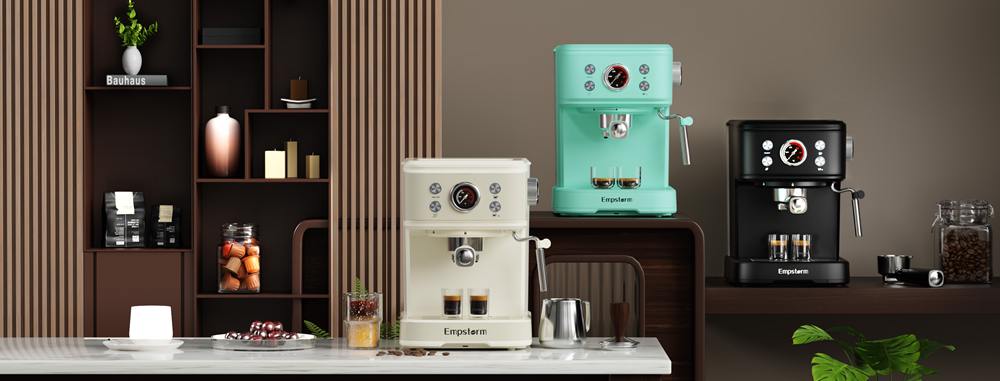
For a detailed comparison of formats, user experience, and suitable applications, see Coffee Maker Types. To select a machine by operating requirements, visit our Coffee Machine Buying Guides.
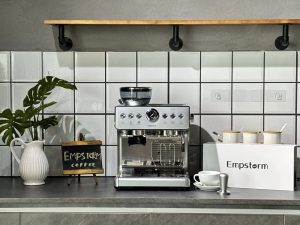
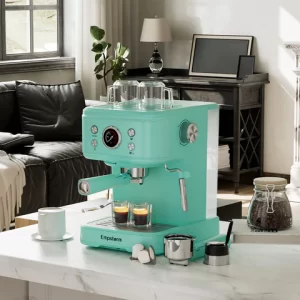
Espresso machines brew concentrated coffee by sending heated water through a prepared bed of finely ground coffee under controlled pressure and flow. In a semi-automatic setup, the operator normally manages grinding, dosing, tamping, extraction timing, and milk preparation. Automatic and bean-to-cup formats can reduce the number of manual steps, but the intended drink menu and user skill level still matter. When comparing espresso equipment, consider whether the location needs black coffee only or milk drinks, how many beverages may be required during peak periods, who will clean the machine, and whether power, water, counter space, and service access are suitable. Explore espresso coffee machines and semi-automatic espresso machines.
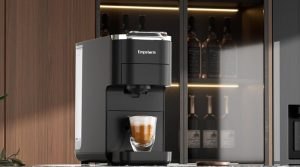
Bean-to-cup machines integrate coffee storage, grinding, dosing, brewing, and used-coffee handling within one system. When a drink is selected, the machine typically grinds beans, transfers the coffee into an internal brew unit, brews the drink, and moves the used grounds into a waste container. Selected models may also prepare milk-based drinks through an integrated or connected milk system. These machines are often considered where fresh-ground coffee and a guided user experience are both important. Buyers should assess drink options, cleaning requirements, water and waste capacity, grinder adjustment, expected demand, and whether the intended users can follow the required maintenance routine. See the EM-21M bean-to-cup espresso machine as an example of the category.
Pod and capsule machines brew single servings from pre-portioned coffee formats. After the user inserts a compatible pod or capsule, the machine closes the brewing chamber and directs heated water through the contained coffee. This can simplify dosing, reduce preparation steps, and support a consistent user routine. However, pod and capsule formats are not universally interchangeable, so buyers should confirm the compatible format and supply availability before selecting a model. These systems are often considered for compact spaces, guest rooms, offices, retail channels, and self-service areas. Key buying factors include beverage choice, waste handling, cleaning access, user simplicity, and the long-term availability of compatible coffee supplies. Review pod coffee machines.
Drip and filter coffee machines prepare coffee by distributing heated water over ground coffee held in a filter basket. The brewed coffee then passes through the filter and collects in a carafe, pot, or serving container. Unlike espresso brewing, this process does not rely on pressure-assisted extraction through a compacted coffee bed. Drip and filter systems are often chosen when several servings of black coffee are needed within a planned period, such as in offices, catering areas, or shared refreshment spaces. When comparing models, consider batch size, brew schedule, holding method, filter format, refill process, cleaning routine, and available counter space. Browse drip coffee makers for relevant product formats.
Cold brew systems use a lower-temperature extraction process than conventional hot coffee machines. Coffee grounds remain in contact with water for an extended period before the beverage is filtered, stored, or served. The final process varies by equipment design, recipe, coffee grind, water, and intended drink format, so there is no single cold brew method that applies to every system. Cold brew equipment should be evaluated around preparation time, batch size, storage conditions, serving workflow, cleaning requirements, and expected demand for cold beverages. It is a dedicated beverage format rather than a direct replacement for espresso, drip, or pod coffee systems. Explore cold brew coffee machines for more information.
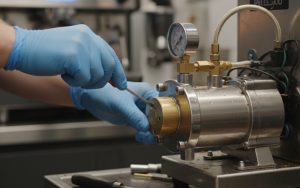
The heating system prepares water for brewing. Product-specific operating behaviour and specifications should always be confirmed from the actual model documentation.
Understanding how a coffee machine works helps buyers make better selections. A machine may look suitable on a product page but create unnecessary complexity if its brewing system does not match the users, drink menu, maintenance capability, or serving environment.
For distributors, technical understanding also improves product positioning. It makes it easier to explain why a pod machine, bean-to-cup machine, drip brewer, or espresso machine may suit a particular customer segment.
For operators, it helps establish more realistic expectations around daily care, staff training, installation planning, and ongoing support.
Continue learning about coffee machine components, brewing methods, extraction, heating, cleaning, and common technical questions.

Understanding the mechanism makes specification review more meaningful. The same product feature can be useful in one operating environment and unnecessary in another. Instead of starting with a long checklist, confirm the application and then ask how the relevant system will work in that location.
Use our Coffee Machine Buying Guides for the complete application and purchasing framework, including office, hotel, café, and restaurant use cases.
Cleaning is not an optional afterthought. Coffee oils, loose grounds, standing rinse water, milk residue, and mineral accumulation can affect hygiene, flavour, reliability, and machine availability. Automatic rinse programmes can reduce manual work, but they do not eliminate the operator’s responsibility to empty trays, clean milk-contact parts, replenish supplies, and follow the manufacturer’s service schedule.
The right routine is model-specific. A semi-automatic espresso machine needs attention to its group, portafilters, steam components, and grinder workflow. A bean-to-cup machine also needs its brew-unit and grounds-management process. Pod, filter, and cold brew equipment have their own water-contact and residue-management requirements. For practical care guidance, explore Maintenance and Troubleshooting Guides.
Understanding the technology is the first step. The next step is matching the machine type to your drinks, users, serving environment, and market requirements.