Join us in shaping the future of espresso innovation
Share your product ideas and market needs
Participate in prototype testing and optimization
Co-develop products with stronger market competitiveness

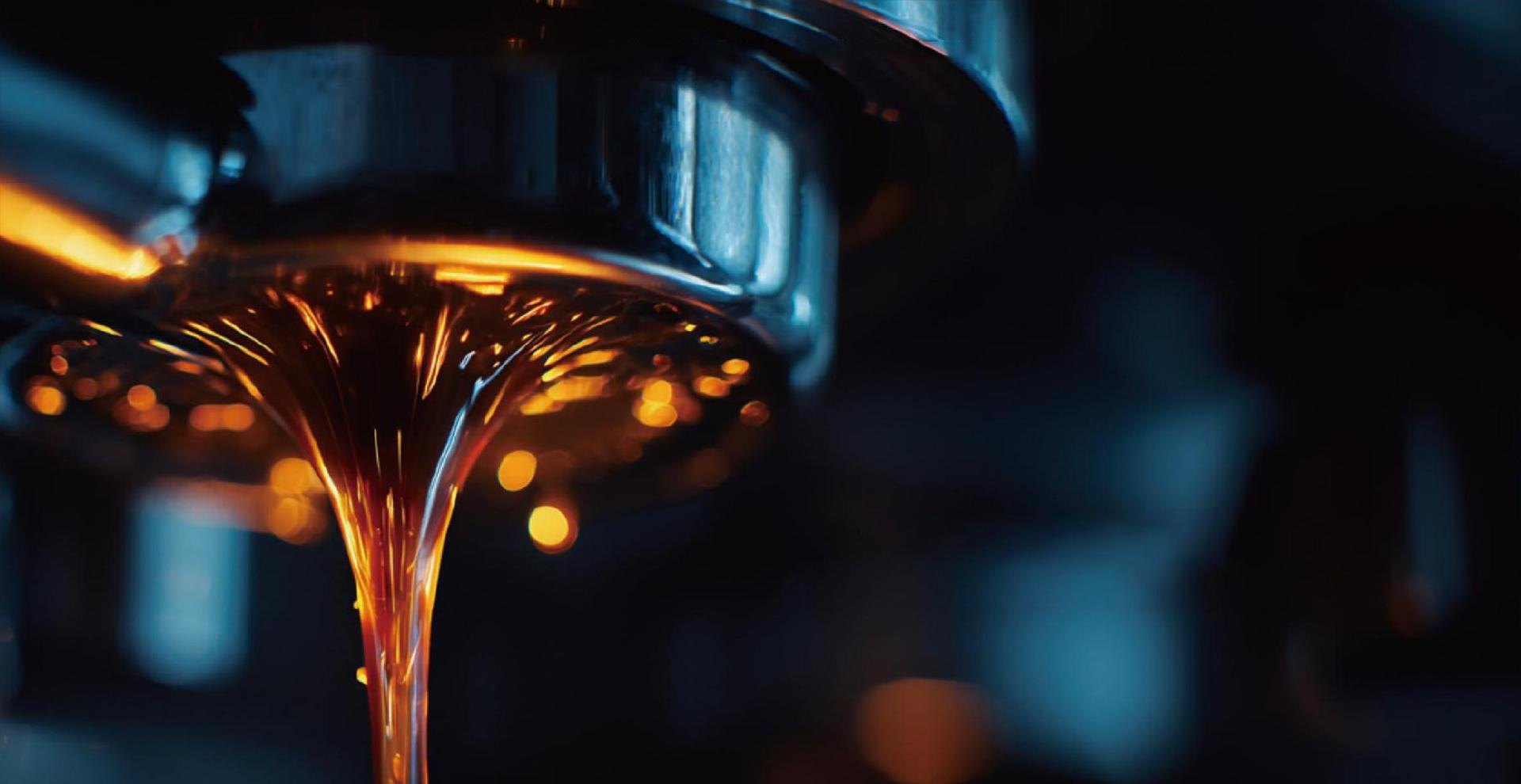
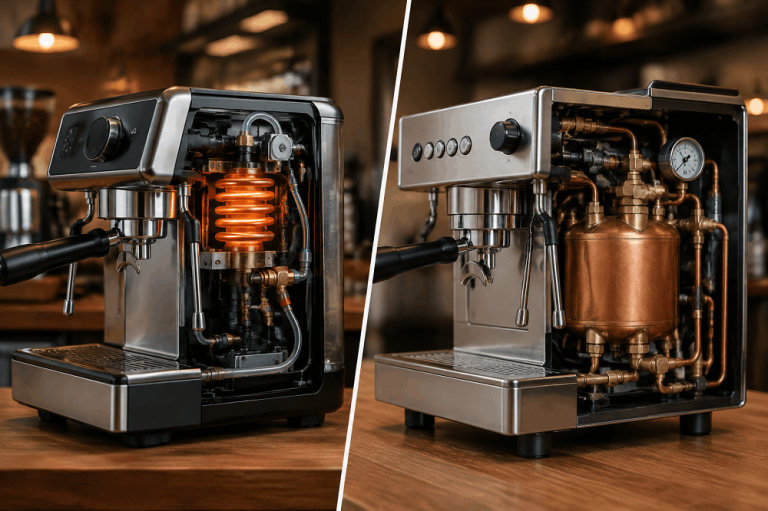
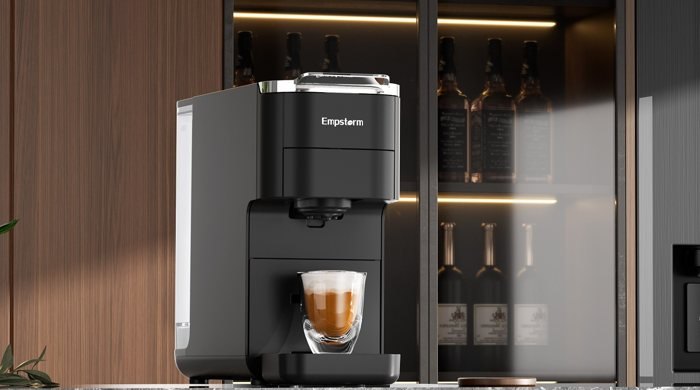
A bean-to-cup coffee machine grinds, doses, brews, and cleans automatically. It combines a burr grinder, a brew group, a temperature-controlled heating system, and a milk system in one cabinet. For a home or office, it replaces a separate grinder and espresso machine while sacrificing some manual control.
A bean-to-cup machine is a fully automated espresso machine. It stores whole beans, grinds each dose on demand, brews espresso under pressure, and can steam or texture milk. According to the Specialty Coffee Association resources, espresso depends on the precise balance of dose, grind, water temperature, and pressure.
Bean-to-cup models differ from traditional espresso machines because the grinder is built in. The Wikipedia coffeemaker article explains how coffee makers are categorized by brewing method and automation level. These machines are also called super-automatic espresso machines, all-in-one coffee centers, or automatic espresso machines.
The broad category can be confusing. The Consumer Reports coffee maker buying guide recommends choosing a machine by how you brew, how much coffee you drink, and how much space you have. For fresh espresso drinks, a bean-to-cup machine should be compared with a semi-automatic espresso setup or a capsule machine.
A super-automatic machine performs five operations in one sequence. The exact order varies by manufacturer, but these steps appear in every bean-to-cup machine.
According to the Wikipedia coffeemaker article, an espresso machine forces pressurised hot water through finely ground coffee. A bean-to-cup machine automates that operation from grinding to steaming. For a broader overview, see how coffee machines work.
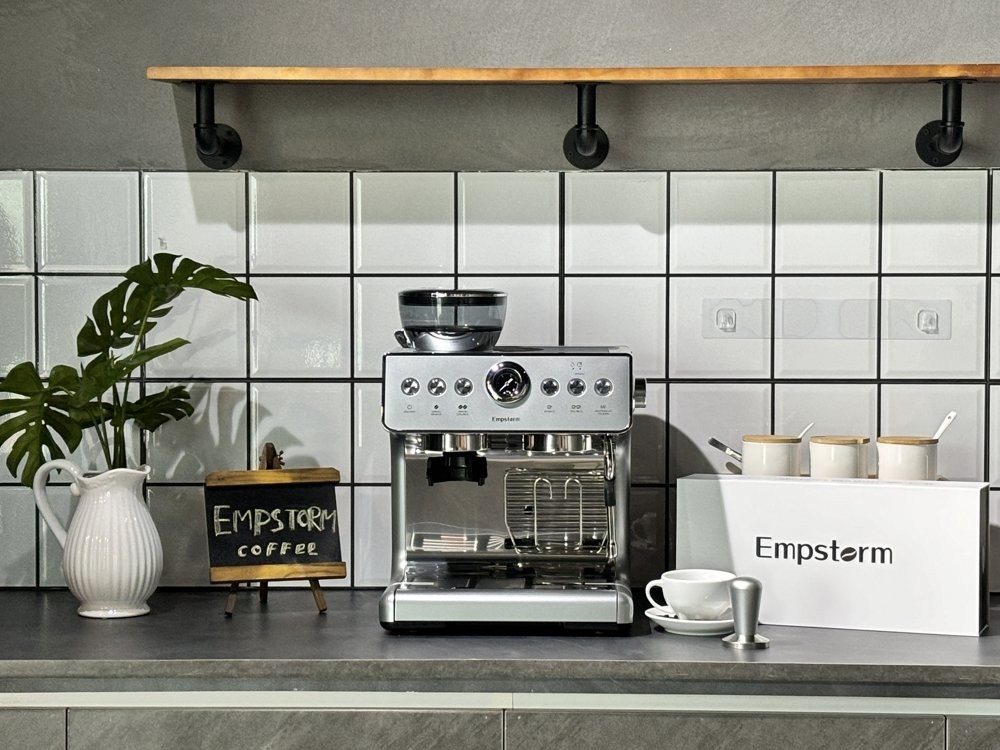
Four engineering details decide whether an automatic machine can approach the quality of a semi-automatic espresso setup: grinder burr type, dosing accuracy, brew group pressure, and temperature stability. The Specialty Coffee Association resources measure extraction quality by how much soluble flavour material is dissolved from ground coffee. A balanced cup typically falls within the 18–22% extraction-yield range.
Burr grinders produce a narrow particle-size distribution. Uniform particles let water extract evenly; uneven particles cause sour and bitter flavours in the same puck. Steel burrs are common, while ceramic burrs may stay sharp longer but can be slower. Worn burrs are a leading cause of declining consistency in service experience.
Dose weight controls extraction time and strength. A machine that doses by volume can drift as coffee density changes. Weight-based dosing is more repeatable, but any grinder needs low retention. Retention is coffee left inside the grinder chute after each dose; high retention can make the first shot after a grind stale .
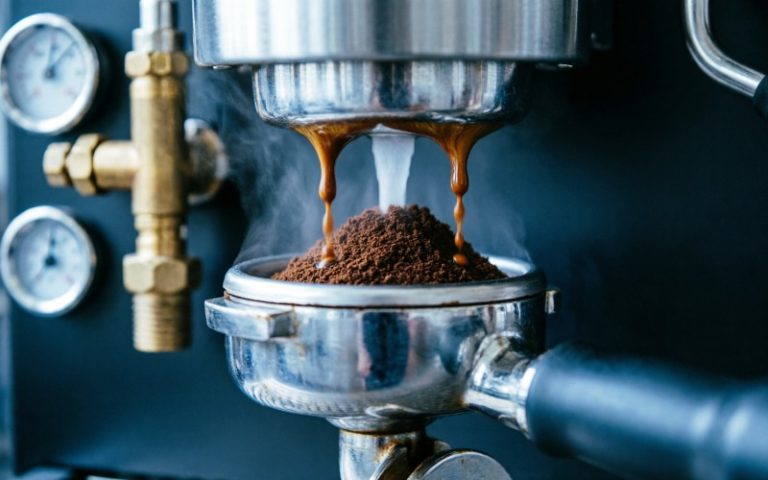
Espresso is brewed by forcing hot water through a compacted puck. The brew group must hold stable pressure from start to finish. Most espresso standards use approximately 9 bar at the group head . If pressure drops, the shot runs slowly; if it spikes, water can channel through gaps and create uneven flavour.
PID (proportional–integral–derivative) control keeps water temperature stable during extraction. Small temperature swings change extraction speed. Stable temperature helps avoid sour or bitter shots and matters for back-to-back drinks. Some machines display brew temperature so you can adjust for bean roast level.
From installation and service work, the most common quality problem is not software; it is neglected maintenance. Regular cleaning of the brew group and milk path protects both taste and reliability. The internal espresso machine how-it-works guide explains these variables in more detail. For café-style results at home, follow the espresso machine home brewing tips.
Automatic cleaning cycles extend reliability. They rinse oils from the brew group, purge milk residue, and remove scale. The Consumer Reports coffee maker buying guide advises matching the machine to your maintenance habits because extra complexity can add upkeep.
Three service items matter most in bean-to-cup machines: water hardness, milk residue, and grinder burr wear. Hard water leaves scale inside the heating system; milk residue clogs milk nozzles; worn burrs reduce grind consistency. Choose a descaling schedule based on your local water hardness [NEEDS SME INPUT].
Running cost depends on the machine class, local water hardness, and daily drink volume. A bean-to-cup machine uses beans and milk instead of capsules, and it requires cleaning tablets and water filters. Ask the manufacturer for the recommended descaling interval and service plan before purchase; these consumables are part of the total cost. The coffee machine buying guides can help you compare ownership costs.
Portafilter machines, also called semi-automatic espresso machines, give the operator control over grind, dose, tamp, and shot time. Capsule machines remove those variables but use pre-ground coffee. A bean-to-cup machine automates grinding, brewing, and milk texturing while limiting manual control. Table 1 summarises the main differences.
| Feature | Bean-to-cup | Semi-automatic portafilter | Capsule |
|---|---|---|---|
| Fresh coffee | Whole beans ground per shot | Whole beans if paired with a grinder | Pre-ground, sealed in capsules |
| Workflow | Select drink and press a button | Manual grind, dose, tamp, brew, steam | Insert capsule and press a button |
| Skill required | Low | Moderate to high | Low |
| Milk texturing | Automatic carafe or automatic steam wand | Manual steam wand | Usually not included |
| Control over taste | Medium | High | Low |
| Cleaning | Automated flushes and descaling | Manual backflushing and wiping | Minimal; occasional descaling |
| Best for | Offices and busy homes | Espresso enthusiasts | Low-volume convenience |
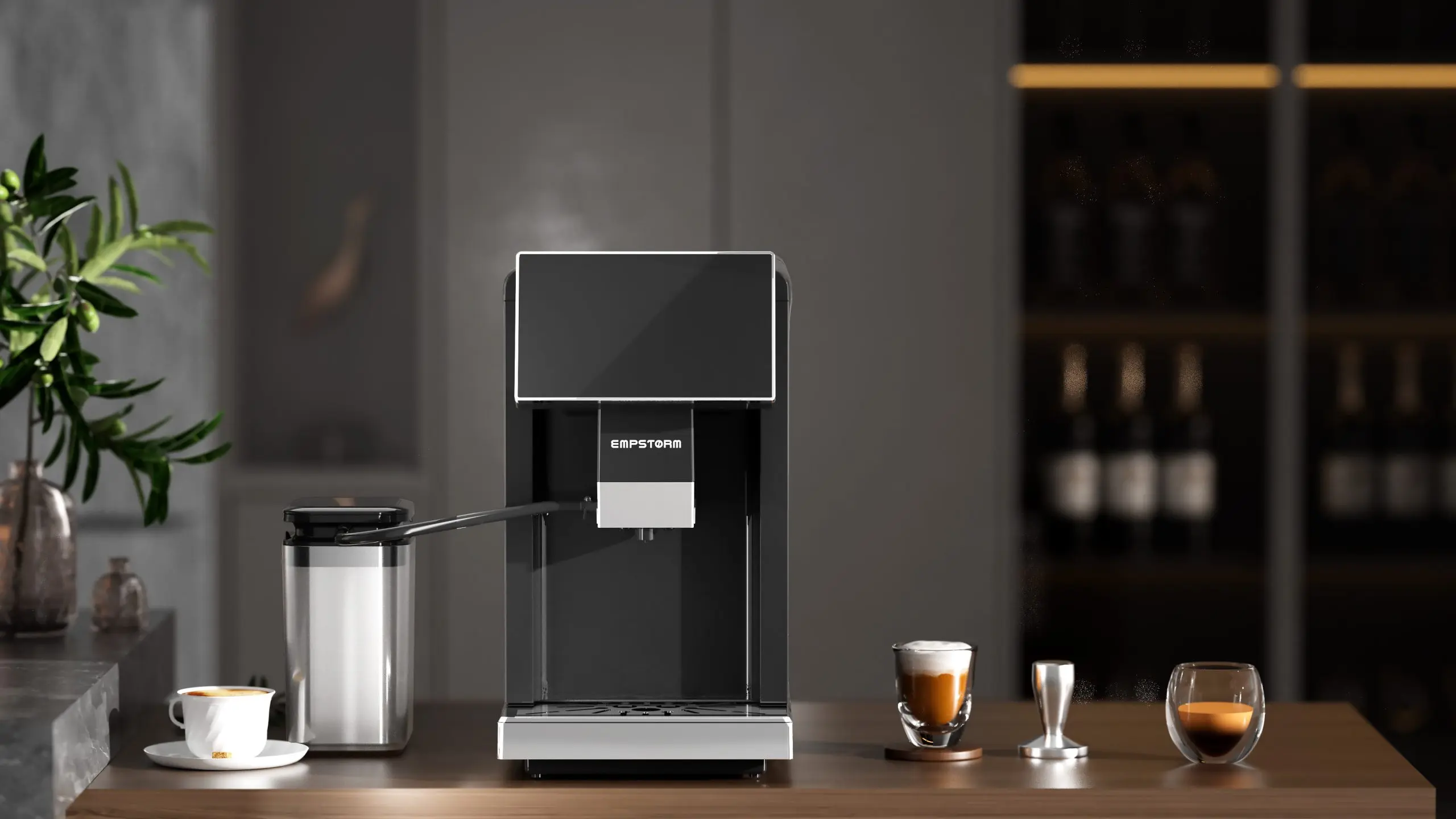
Compare the engineering details of a semi-automatic espresso machine and a capsule coffee maker to see which workflow fits your routine. The Wikipedia coffeemaker article also notes that single-serve formats trade flexibility for convenience. For an example of a modern all-in-one design, see the EM-21M bean-to-cup espresso machine.
Choose a bean-to-cup machine when you want fresh espresso or milk drinks without barista training. It suits a home or office routine where speed and consistency are more important than manual control. It works best when someone can refill beans, empty the puck bin, and run cleaning cycles.
A portafilter machine suits someone who enjoys dialling in shots and practising milk texturing. A capsule machine suits someone who drinks one or two simple coffees and values zero clean-up. If your priority is fresh ground coffee without extra equipment, a bean-to-cup machine is the strongest fit.
Use this checklist when comparing models:
The Consumer Reports buying guide recommends matching the machine to your counter space and maintenance habits. For a detailed look at different machine types, see the coffee maker types article, the coffee machine types guide, or the ultimate coffee machine buying guide.
A bean-to-cup machine is worth it when convenience and fresh coffee matter more than manual control. It automates grinding, dosing, brewing, milk texturing, and cleaning in one footprint. It is less flexible than a portafilter setup and may have higher service needs than a capsule machine, but it delivers café-style drinks without barista skill.