Join us in shaping the future of espresso innovation
Share your product ideas and market needs
Participate in prototype testing and optimization
Co-develop products with stronger market competitiveness

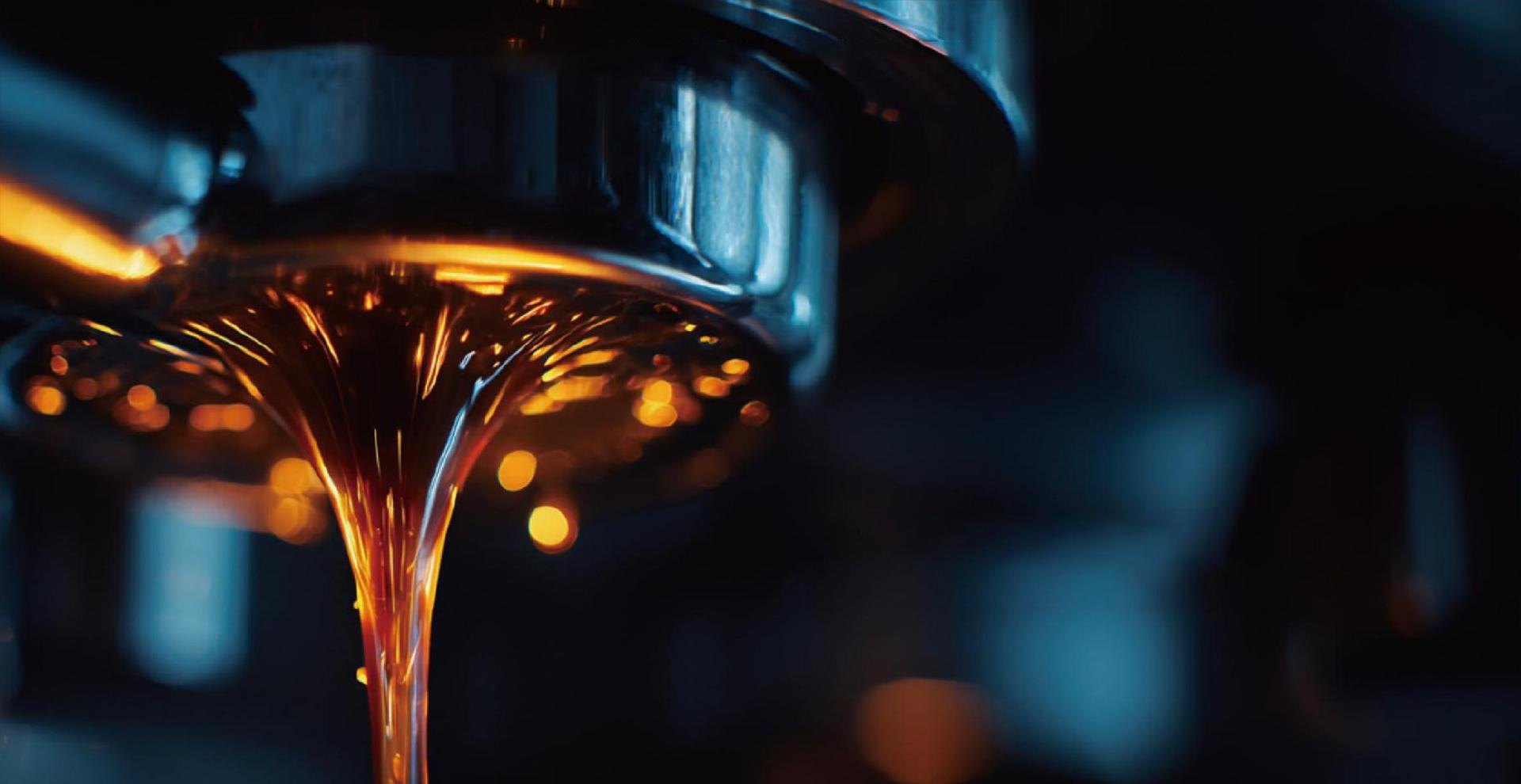
The best espresso machine for your café balances performance, durability, and cost-efficiency. Key factors like pressure consistency, thermal stability, and automation are crucial to ensuring high-quality coffee in a busy environment.
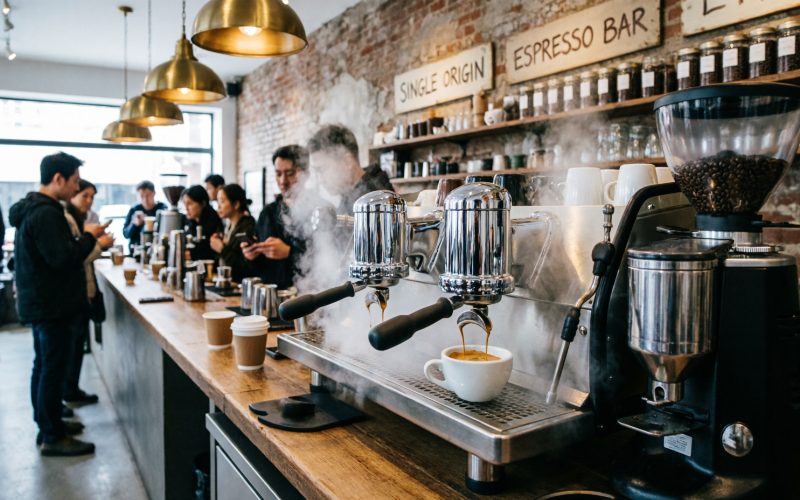
When it comes to choosing the right espresso coffee machine for your café, technical specifications often outweigh brand names or flashy features. As a café owner or hotel F&B director, you need to consider various factors such as the machine’s ability to handle high-volume service, the quality of its coffee extraction, and the overall return on investment (ROI). Below, we break down the essential technical aspects of espresso machines to help you make an informed decision that supports your business goals.
The best espresso machine for café is one that delivers consistently high-quality espresso shots while maintaining long-term reliability under high-demand conditions. Factors such as pressure control, temperature stability, boiler size, and overall machine durability are the cornerstones of any professional espresso machine. Additionally, a machine with advanced features like PID (Proportional-Integral-Derivative) control for precise temperature management and automatic dosing for consistency can provide significant operational benefits.
At its core, an espresso machine forces hot water through finely-ground coffee at high pressure to extract a concentrated shot of coffee. This process requires a stable environment with consistent pressure and temperature throughout the brewing cycle. Here’s a breakdown of the major components involved:
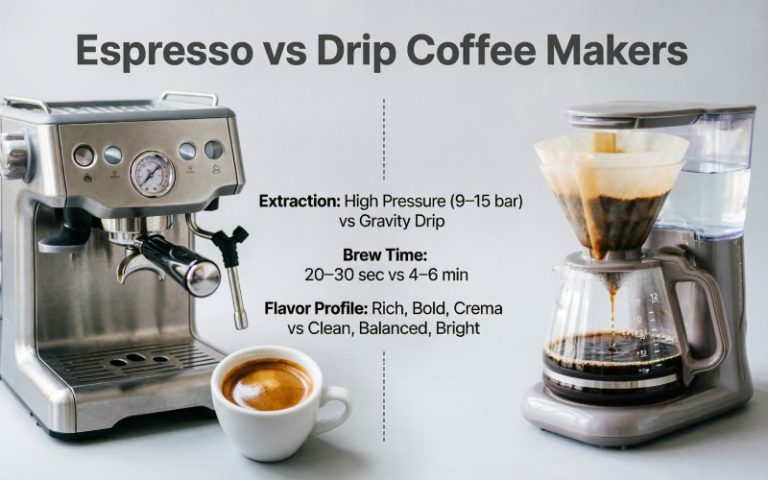
One of the most critical features of an espresso machine is the pressure control system. Most espresso machines operate at a standard pressure of around 9 bars (130 psi). However, it is essential to maintain this pressure consistently throughout the extraction process for optimal flavor. High-end machines feature rotary pumps that deliver smoother, more consistent pressure than cheaper vibratory pumps.
Temperature stability is another key aspect of a high-performing espresso machine. Fluctuations in temperature can negatively impact coffee quality, causing either under-extraction (if too low) or over-extraction (if too high). Machines equipped with dual boilers or heat-exchange systems offer better temperature control, ensuring consistent coffee extraction, especially during busy hours.
The type of boiler is essential for ensuring the machine can keep up with high demand without compromising quality. There are generally three types of boilers used in espresso machines:
Automation features, such as volumetric dosing (automatic coffee shot measurement) and automatic tamping, are critical for ensuring consistency in high-volume environments. These features allow baristas to focus more on customer service rather than technical brewing adjustments. Machines with PID controllers and automatic features also help maintain a high level of consistency throughout the day.
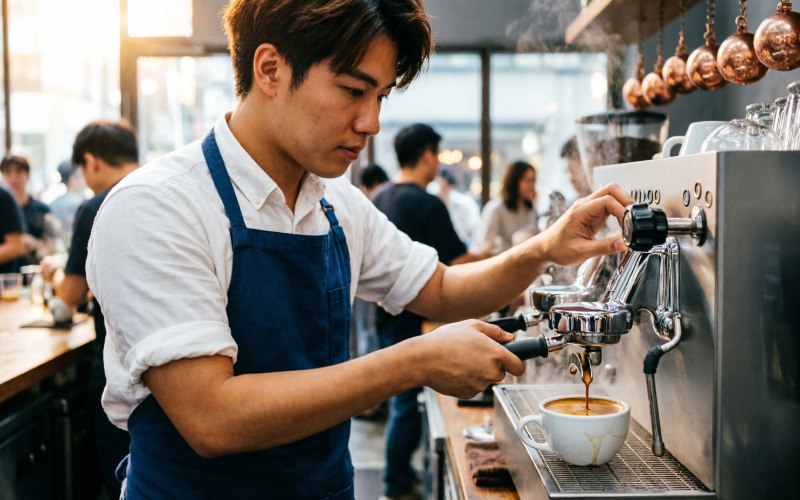
The cost of a commercial espresso machine varies widely depending on features, size, and brand. Entry-level machines for smaller cafés can start around $2,000, while high-end machines suitable for large cafés or hotels can range from $10,000 to $20,000 or more. It’s essential to weigh the upfront cost against long-term ROI. A more expensive machine with higher reliability, better coffee quality, and automation features may pay for itself over time in improved customer satisfaction and reduced downtime.
Choosing a high-end espresso machine over a budget model typically comes down to volume and expected customer experience. High-end machines offer:
However, budget machines may still be suitable for cafés with lower volume and more manual oversight. It’s important to evaluate the long-term cost implications, including maintenance, training, and potential lost sales during machine downtime.
High-end espresso machines are ideal for:
If your café is in a high-volume environment where consistency is paramount, investing in a high-end machine could be the best decision for your business.
While the initial investment in an espresso machine is crucial, so is its long-term durability and ease of maintenance. Machines with stainless steel components, robust pumps, and easy-to-replace parts ensure you get the most out of your machine. Additionally, consider how easy it is to clean the machine. Some models come with automatic cleaning functions, which can save time and reduce the likelihood of downtime.
When selecting the best espresso coffee machine for your café, focus on key technical aspects like pressure consistency, temperature control, boiler type, and automation features. Consider your café’s volume and long-term ROI to make an informed decision. By investing in the right machine, you can ensure high-quality espresso and boost customer satisfaction.
Still comparing options? Our complete coffee machine buying guide explains how to choose the best coffee machine for cafés, offices and hotels.
This article is part of our Coffee Machine Buying Guides series. For a complete overview, visit our Coffee Machine Knowledge.
You may also find these guides helpful: