Join us in shaping the future of espresso innovation
Share your product ideas and market needs
Participate in prototype testing and optimization
Co-develop products with stronger market competitiveness

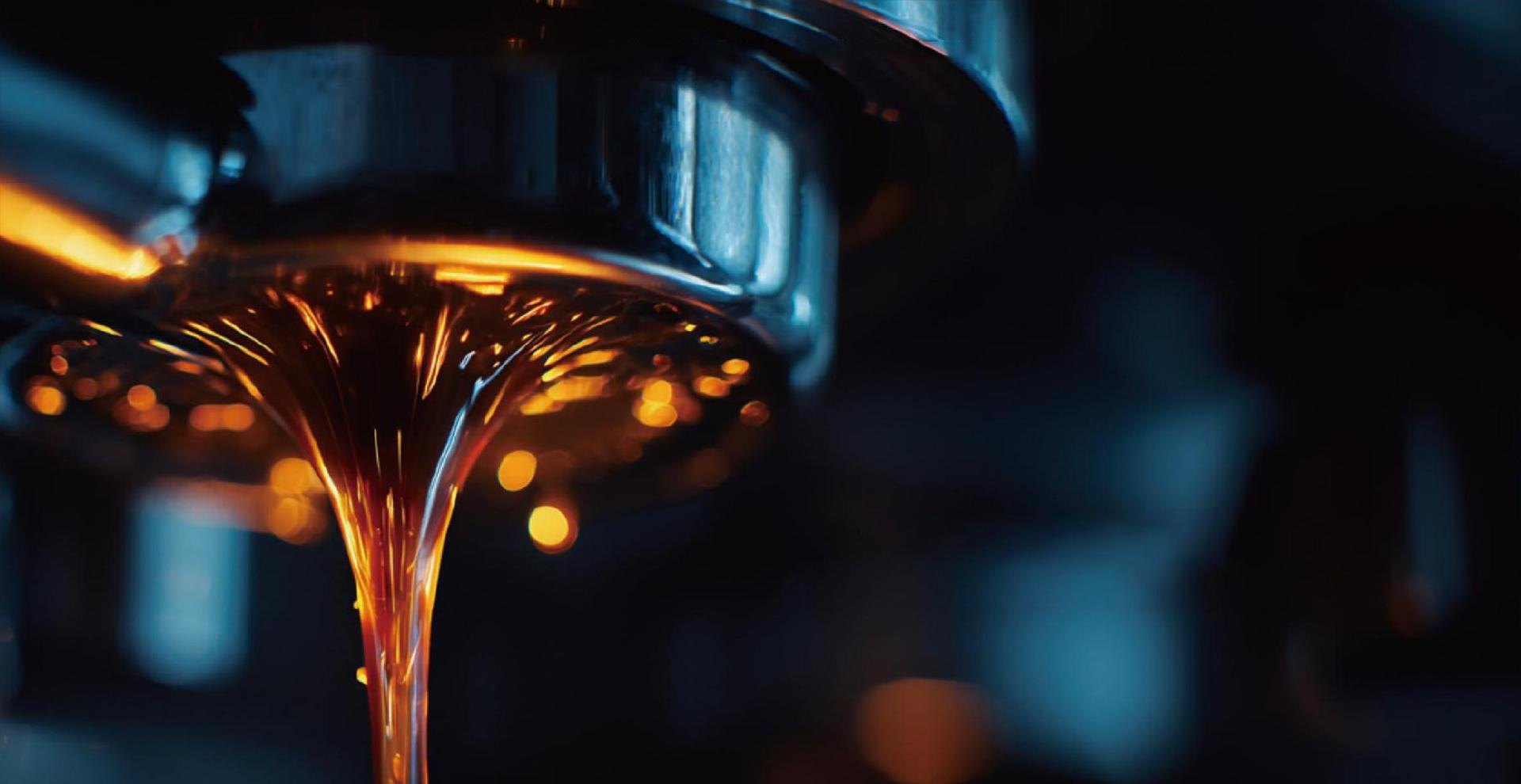
Coffee machine maintenance is essential for ensuring long-term performance, maintaining consistent quality, and minimizing breakdowns. This checklist helps streamline daily and weekly tasks for store managers and head baristas, focusing on operational efficiency and equipment longevity.
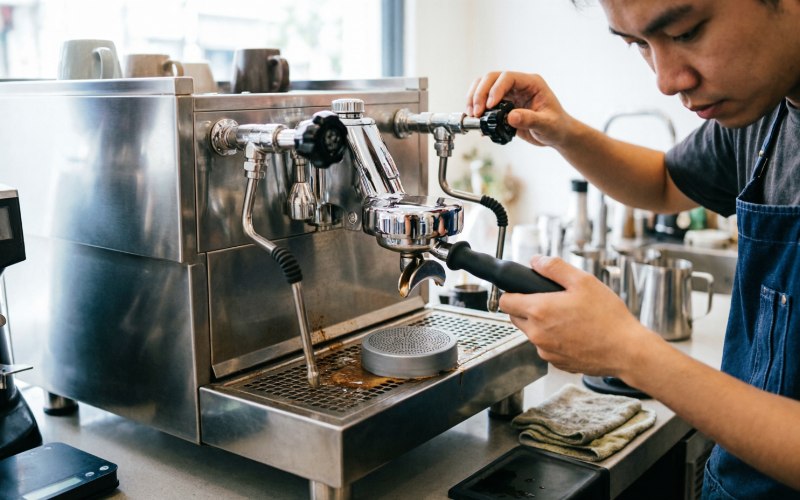
Proper maintenance of your coffee machine is paramount to avoid unexpected breakdowns, extend its lifespan, and keep your espresso quality consistent. This maintenance process consists of simple daily checks and more thorough weekly procedures that allow the equipment to perform at its best.
Performing daily maintenance tasks is crucial for keeping the coffee machine in optimal working condition, especially when faced with high traffic in coffee shops, hotels, or restaurants. These actions should be completed at the end of each day before closing, or after peak hours to ensure the equipment remains clean and ready for the next day.
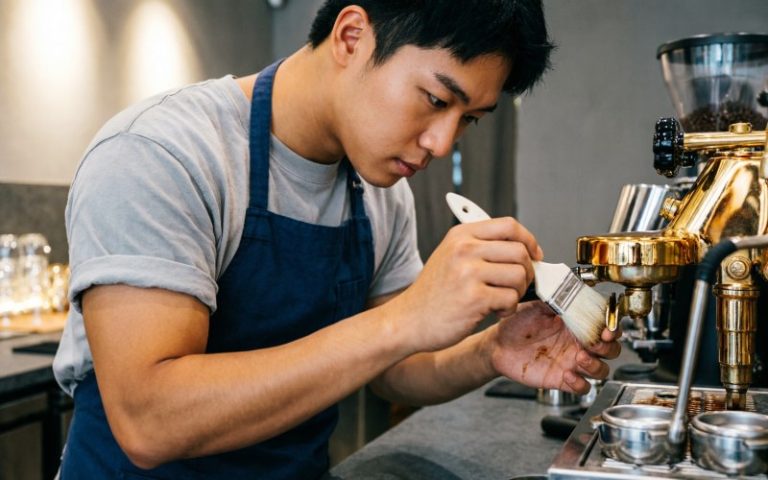
Group heads and portafilters can accumulate coffee grounds and oils throughout the day. It’s essential to remove and clean them daily to avoid blockages and ensure consistent espresso extraction.
Backflushing is a cleaning method that uses water and cleaning solution to clear out any coffee oils, grounds, and debris that build up inside the machine. It’s essential to use a cleaning detergent made specifically for espresso machines to ensure effective cleaning.
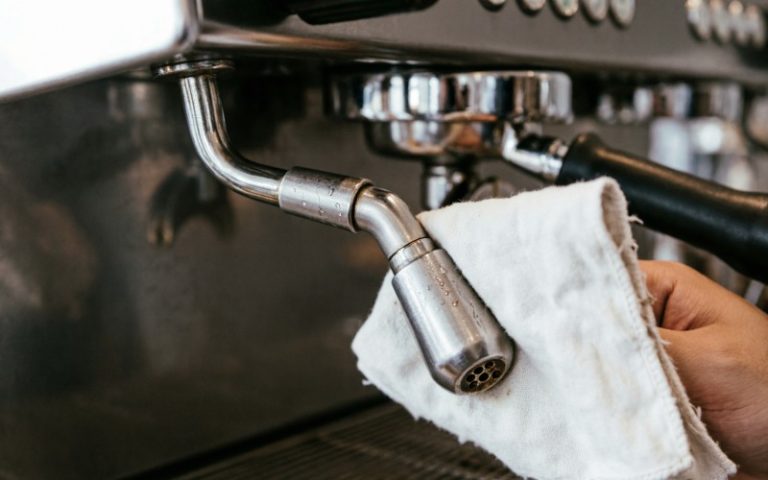
Steam wands often build up milk residue that can lead to a decrease in performance. Cleaning steam wands after every use is essential, but it should also be done thoroughly at the end of the day.
Drip trays and waste bins should be emptied daily to prevent any buildup of water or coffee residue that could lead to bacterial growth and odors.
The coffee grinder is an essential piece of equipment for producing the perfect espresso. Over time, coffee oils and grounds can build up and affect the grind quality.
Weekly maintenance involves deeper cleaning and checks to ensure the coffee machine is functioning correctly and efficiently. This will help prevent any issues that may arise from neglecting minor tasks, thus avoiding expensive repairs in the future.
Descaling is crucial for preventing mineral buildup, especially in machines located in areas with hard water. Scaling can affect the performance of your coffee machine and lead to inconsistent temperatures.
Water filters help maintain the water quality and the performance of your coffee machine. Over time, they can get clogged with minerals and contaminants.
Leaks and gasket damage can lead to performance problems, such as inconsistent pressure or temperature. Regularly inspect the seals and gaskets to ensure they’re in good condition.
Over time, moving parts in the coffee machine can become stiff and prone to failure. Regular lubrication ensures smooth operation and prolongs the life of the machine.
Performance tests ensure that the machine is working within the desired specifications. Check the flow rate, water temperature, and steam pressure to ensure optimal performance.
By following a structured maintenance routine, you not only ensure that your coffee machine produces high-quality espresso but also significantly extend its lifespan.
Routine coffee machine maintenance is critical for keeping your equipment running smoothly and delivering consistent, high-quality espresso. By performing daily and weekly tasks, you can prevent costly repairs, improve machine longevity, and enhance the customer experience.