Join us in shaping the future of espresso innovation
Share your product ideas and market needs
Participate in prototype testing and optimization
Co-develop products with stronger market competitiveness

Professional guides, comparisons, and insights to help you choose, use, and understand coffee machines.
Understand the main coffee machine systems and choose the right setup for your café, office, hotel, restaurant or distribution channel.
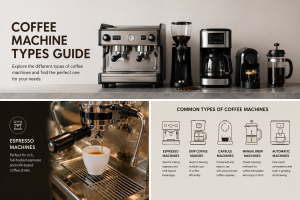
Coffee machine types differ mainly in brewing method, automation, output, operator skill, maintenance and operating cost. Espresso and semi-automatic systems provide more control for espresso-based beverages. Drip machines support batch brewing. Capsule machines prioritize speed and consistency. Bean-to-cup systems automate grinding and brewing, while cold brew machines support chilled beverage programs.
The best choice depends on your daily volume, peak-hour demand, beverage menu, staff skills, available infrastructure, maintenance plan and total cost of ownership.
This guide is part of our Coffee Machine Knowledge Hub, where we cover machine types, working principles, and maintenance insights for commercial use.
| Coffee Machine Type | Main Workflow | Best For | Main Advantage | Main Consideration |
|---|---|---|---|---|
| Espresso Machine | Pressure extraction through a coffee bed | Cafés, restaurants and premium beverage menus | Supports espresso, Americano and milk drinks | Requires more training and maintenance |
| Semi-Automatic Espresso Machine | Operator controls grinding, dosing and extraction | Baristas, cafés and prosumer users | More control over flavor and workflow | Operator skill affects consistency |
| Bean-to-Cup Machine | Automatic grinding, dosing, brewing and dispensing | Offices, hotels and self-service locations | Fresh grinding with simple operation | More internal components require service planning |
| Capsule Coffee Machine | Pre-dosed coffee brewed through a capsule | Offices, hotels, salons and guest rooms | Fast, consistent and easy to operate | Capsule cost and waste management |
| Drip Coffee Machine | Gravity filtration and batch brewing | Offices, hotels, restaurants and catering | Efficient multi-cup service | Not suitable for true espresso beverages |
| Cold Brew Coffee Machine | Low-temperature or chilled extraction | Cafés, beverage brands and foodservice | Supports cold coffee menus | Requires different recipes and storage planning |
Coffee machines come in different types, each designed for specific brewing methods, usage scenarios, and business needs. Understanding the differences between coffee machine types helps you choose the right solution for cafés, restaurants, offices, hotels, and other commercial environments.
Below is an overview of the most common coffee machine types, their key features, and recommended applications.
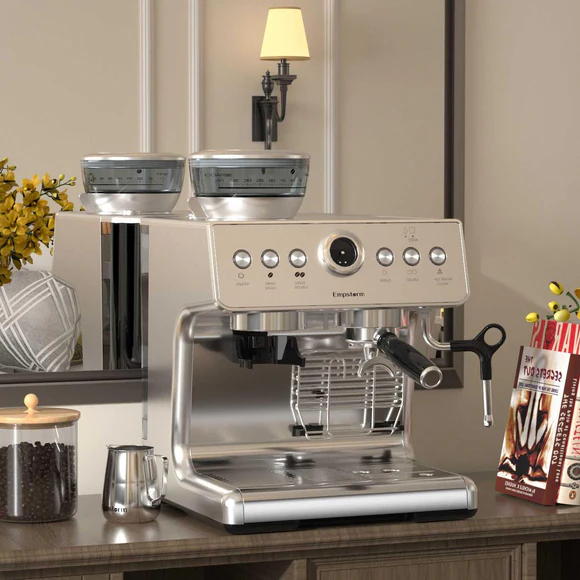
Best for cafés, restaurants, and professional coffee service
Espresso machines use high-pressure extraction to produce rich, concentrated coffee with a full body and intense aroma. They form the foundation of many popular beverages such as cappuccino, latte, and americano. Espresso machines are widely used in cafés and commercial environments where coffee quality and consistency are critical.
Recommended for: Cafés, restaurants, coffee shops, hospitality businesses
Explore Espresso Coffee Machine
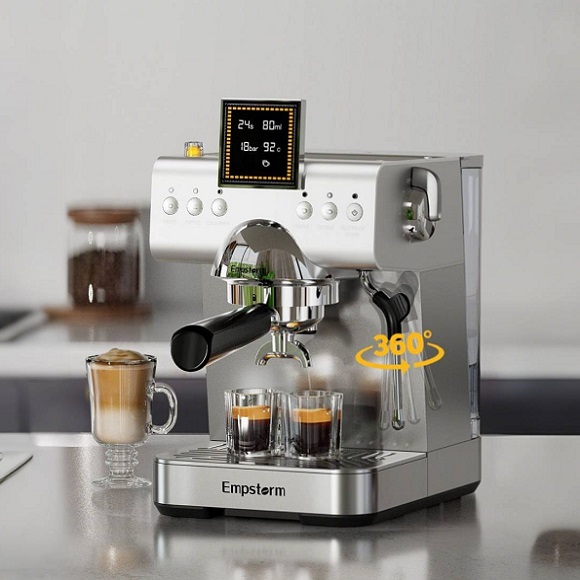
Ideal for smooth, low-acidity coffee production
Cold brew coffee makers are designed for slow extraction at low temperatures, resulting in a smooth, less acidic coffee profile. These machines are increasingly popular in cafés, beverage shops, and restaurants offering specialty or ready-to-serve cold coffee options.
Recommended for: Cafés, beverage shops, restaurants, summer menus
Explore Cold Brew Coffee Maker
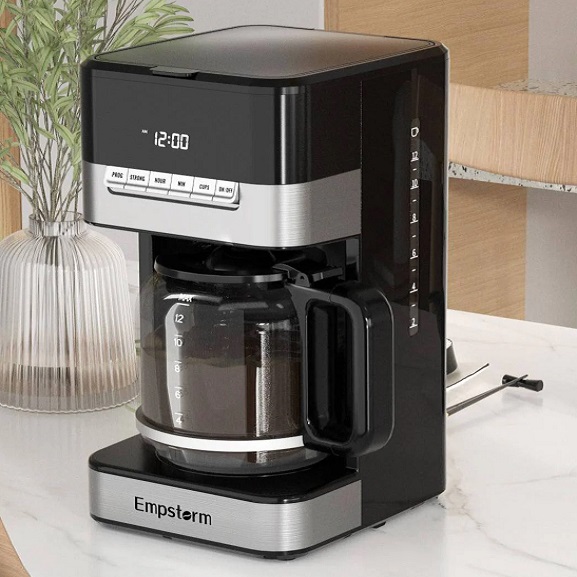
Reliable solution for batch brewing and high-volume service
Filter coffee machines, also known as drip coffee machines, brew coffee by passing hot water through ground coffee using a filtration system. They are widely used in offices, hotels, catering services, and conference settings where large quantities of coffee are needed.
Recommended for: Offices, hotels, catering, meeting rooms
Explore Drip Coffee Maker
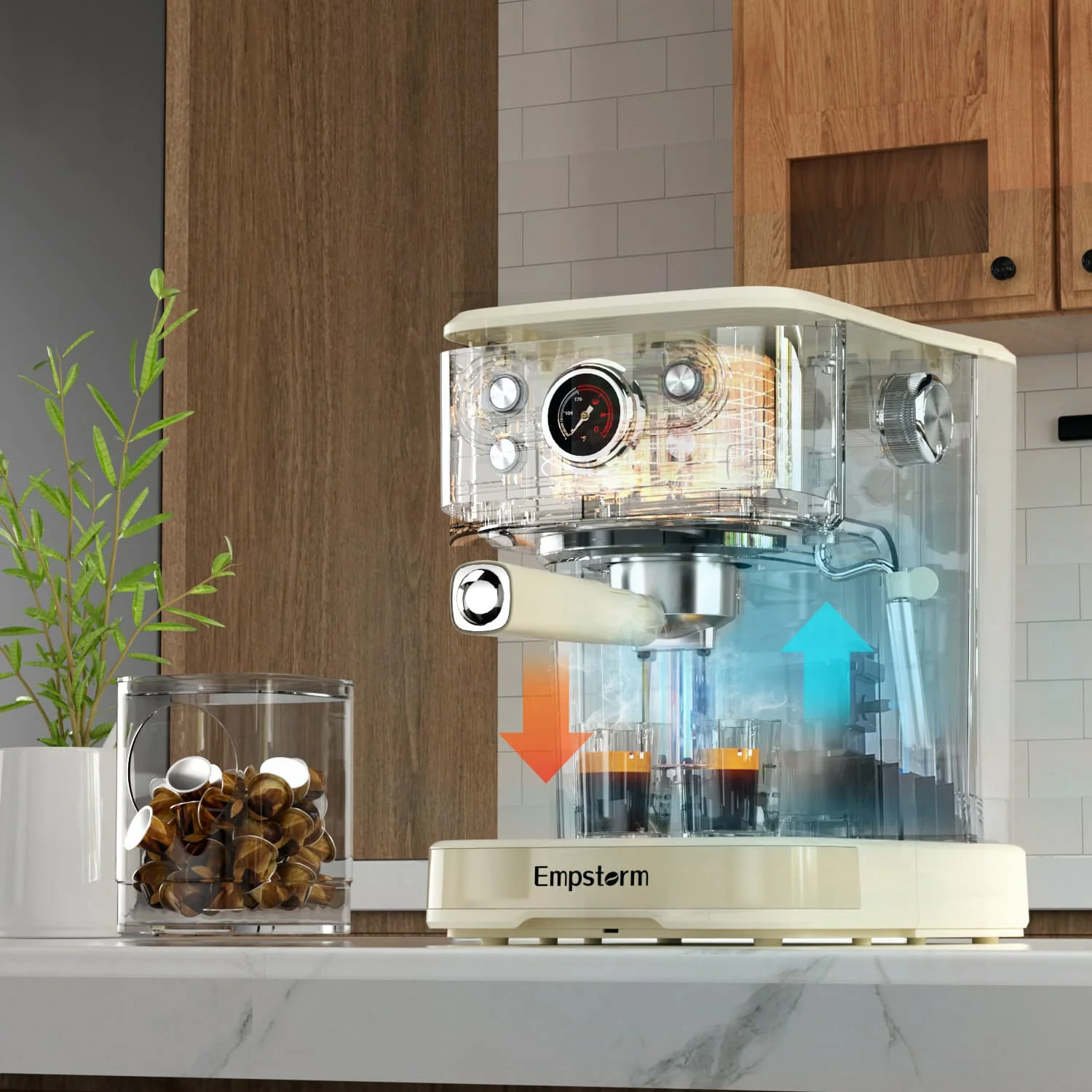
Fast, convenient, and consistent single-serve brewing
Capsule coffee makers use pre-packaged coffee capsules to deliver consistent flavor with minimal operation and maintenance. Their compact design and ease of use make them suitable for offices, hotels, and self-service environments.
Recommended for: Offices, hotels, salons, waiting areas
Explore Pod Coffee Machine
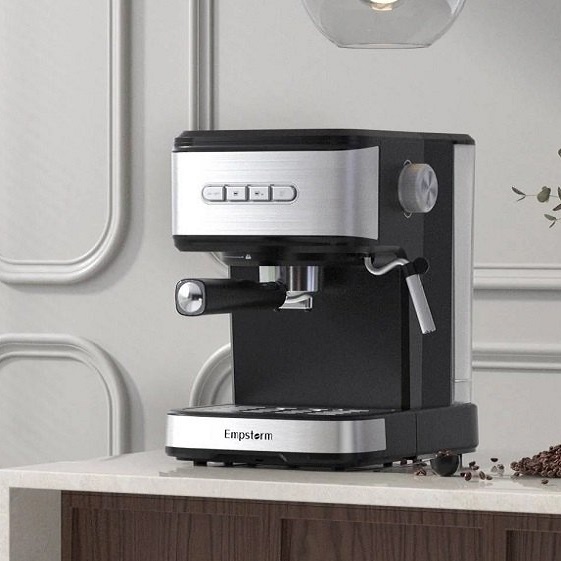
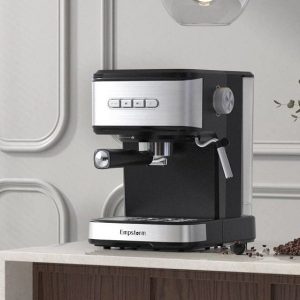
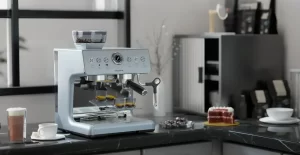
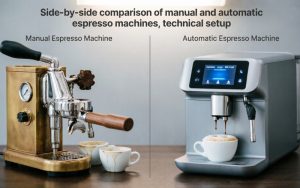
Semi-automatic espresso machines allow the operator to control important brewing variables such as grind size, coffee dose, tamping and extraction time. The machine provides the heating and pressure system, while the operator manages much of the preparation process.
This type is suitable when beverage customization and barista control are important. It can be a good fit for cafés, training environments, small commercial operations and experienced home users.
Key factors to compare: Temperature stability, Pump and pressure control, Portafilter size, Boiler or thermoblock design, Steam wand performance, Water tank capacity, Cleaning and service access
Explore Semi-Automatic Espresso Machines
Selecting the right coffee machine depends on factors such as serving volume, application environment, user skill level, and beverage requirements. By understanding different coffee machine types, businesses can invest in solutions that improve efficiency, consistency, and customer satisfaction.
Explore coffee machines by application
Browse all coffee machine products
The right machine depends on the operating environment, not simply the highest pressure rating or the lowest purchase price.
Decide whether you mainly need:
Daily volume is important, but peak-hour demand is often more important. A machine may handle the total daily volume but still create service delays if most orders arrive within a short period.
Professional baristas may benefit from semi-automatic control. Offices, hotels and self-service locations may prefer capsule or fully automatic systems.
Before purchasing, confirm:
Consider:
| Business Scenario | Recommended Starting Point | Main Decision Factor |
|---|---|---|
| Specialty Café | Semi-automatic or commercial espresso machine | Menu complexity and peak-hour workflow |
| Office | Capsule, bean-to-cup or drip machine | User count and ease of operation |
| Hotel Room | Capsule or compact drip machine | Guest experience and housekeeping efficiency |
| Hotel Lounge | Bean-to-cup or commercial espresso system | Beverage quality and service volume |
| Restaurant | Espresso, drip or combined setup | Menu and service pattern |
| Catering | Compact drip, espresso or cold brew setup | Portability and available infrastructure |
| Distributor | Multiple product categories | Target market, positioning and support |
For a complete overview of coffee machine types, read our main guide:
Featured Technical Guide
Explore espresso, semi-automatic, bean-to-cup, capsule, drip and cold brew systems, including their brewing methods, operating requirements, commercial applications and selection criteria.
For deeper insights into specific coffee machine technologies, comparisons, and usage tips, explore our detailed guides below:
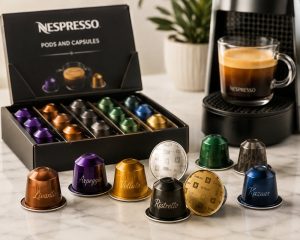
The best coffee machine type also depends on where the equipment will be used.
Explore our application guides for:
Explore Coffee Machines by Application →
After comparing machine types, explore Empstorm’s product categories:
Browse All Coffee Machine Products
To better understand coffee machine technologies, selection criteria, and maintenance considerations, explore the related guides below.
Tell us about your business, target market and operating requirements. Our team can help you compare suitable coffee machine types and product options.
To receive a more relevant recommendation, include: