Join us in shaping the future of espresso innovation
Share your product ideas and market needs
Participate in prototype testing and optimization
Co-develop products with stronger market competitiveness

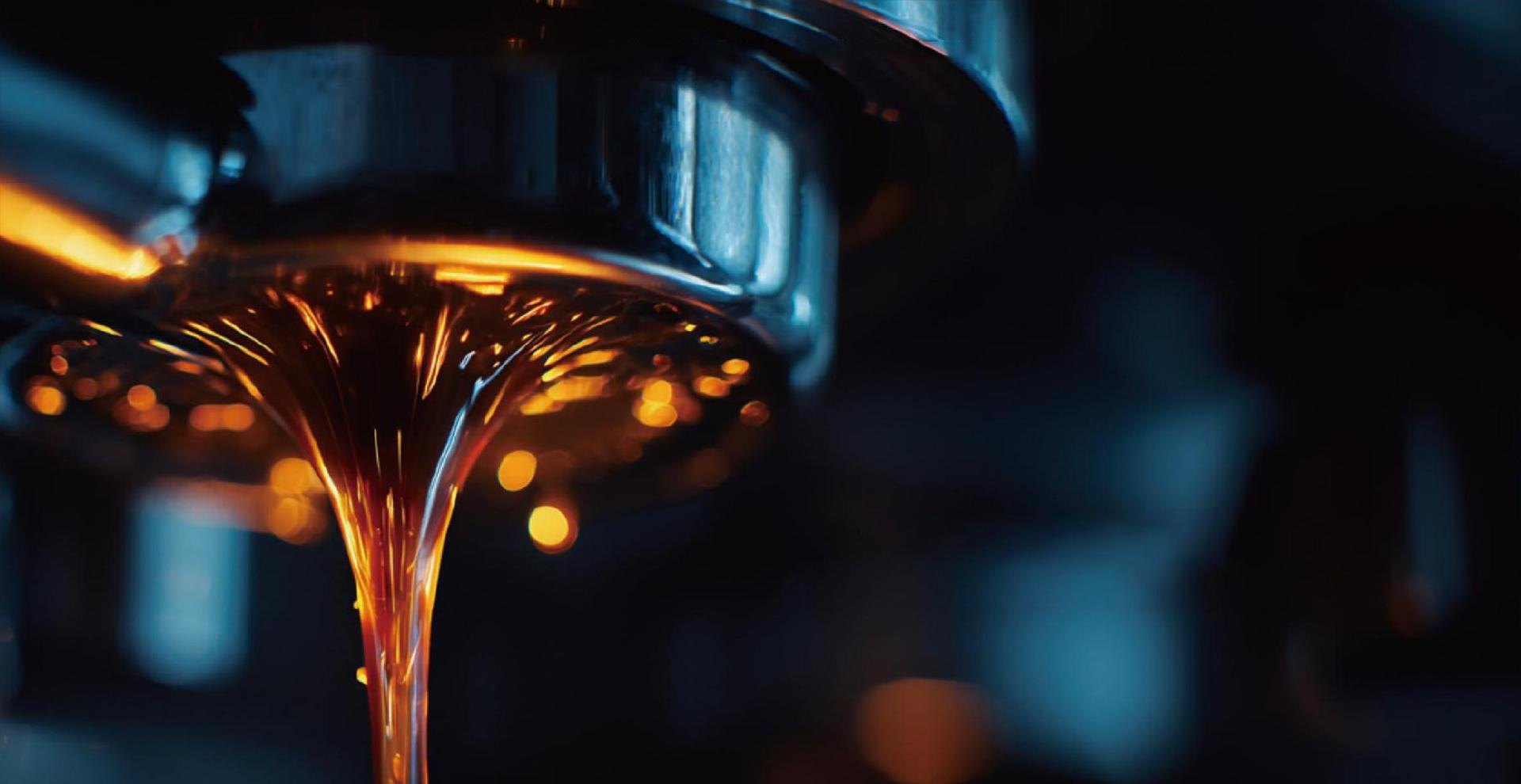
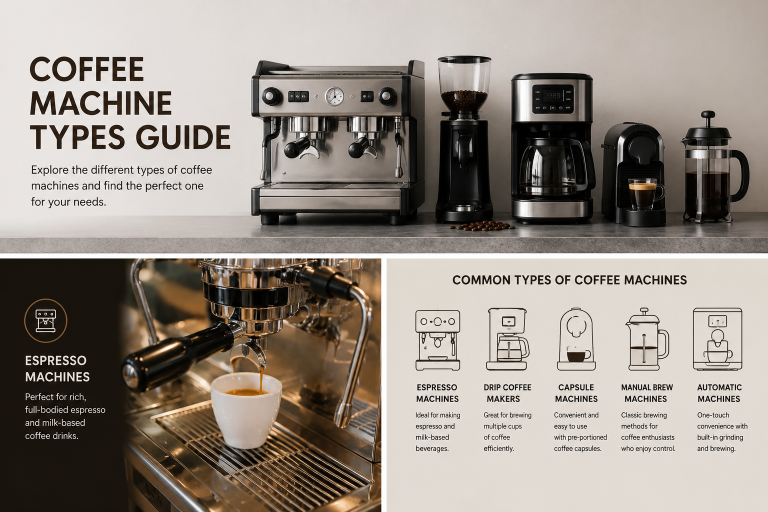
If you’re new to espresso machines, start with our Ultimate Guide to Coffee Machine Types.
Manual and automatic espresso machines differ in user control, pressure profiling, and temperature stability. Manual machines provide full extraction control, while automatic machines optimize consistency and workflow efficiency.
Espresso machine choice significantly impacts beverage quality and operational efficiency. Manual machines rely on user skill to control extraction variables such as pressure, flow rate, and pre-infusion time. Automatic machines automate pressure profiling and volumetric control, enhancing repeatability. Efficiency, ROI, and training requirements vary between the two types.
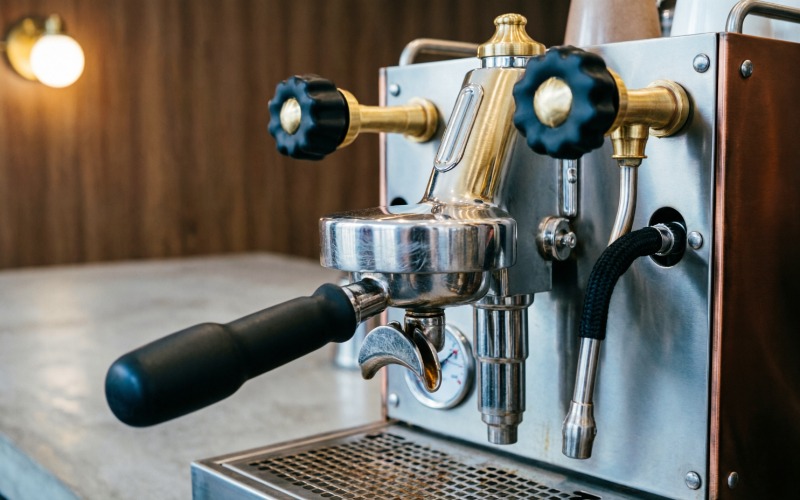
Manual espresso machines, also known as lever machines, rely on human-applied force to control pressure throughout the extraction cycle. Skilled baristas adjust tamping, water temperature, and pull timing to achieve the desired flavor profile. According to industry tests, manual machines can achieve pressure consistency within ±0.5 bar with experienced operators.
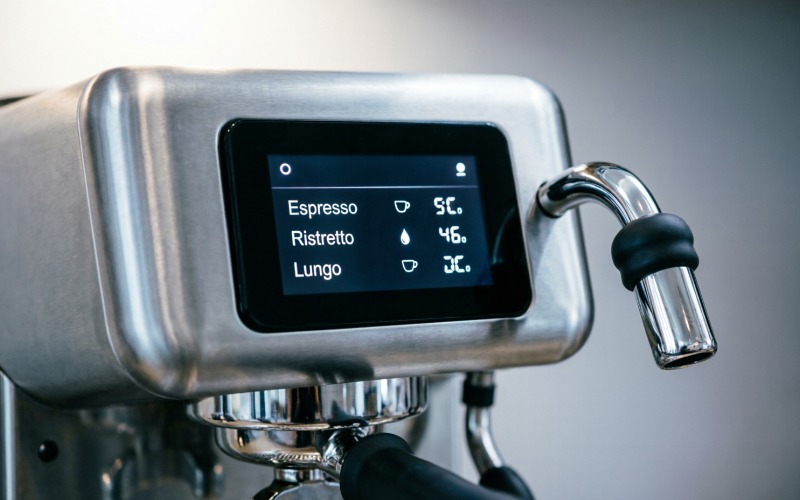
Automatic espresso machines use pre-programmed volumetric control and pressure profiling. Most high-end models employ PID (Proportional-Integral-Derivative) controllers to maintain water temperature within ±1°C, enhancing shot consistency. These machines can extract espresso shots with minimal user intervention, making them ideal for high-volume cafés.
| Specification | Manual Machine | Automatic Machine |
|---|---|---|
| Control | Full manual pressure & timing | Volumetric and pressure automated |
| Boiler Type | Single/Double Copper | Thermoblock or Heat Exchange |
| Temperature Stability | ±0.5°C (skilled operator) | ±1°C (PID controlled) |
| Pressure Range | 7–9 bar (lever controlled) | 9 bar regulated by pump |
| Training Requirement | High, 4–8 weeks to proficiency | Low, 1–2 weeks |
| Throughput | 15–20 cups/hr | 40–60 cups/hr |
| ROI Consideration | Dependent on barista skill and labor | Reduced labor cost, higher consistency |
Manual machines provide nuanced control over pre-infusion, flow rate, and pressure, allowing baristas to manipulate flavor profiles precisely. Automatic machines standardize extraction, reducing variability between shots. Empirical testing shows manual machines can achieve 95% flavor consistency in skilled hands, compared to 90% for automatic machines under standard café conditions.
Automatic machines significantly improve throughput and consistency. In high-volume environments, cafés using automatic machines serve 2–3× more espresso shots per hour without sacrificing temperature stability. Manual machines, while flexible, require continuous operator attention, leading to slower service during peak periods.
Manual machines typically have lower upfront costs but higher labor dependency. Automatic machines cost 30–50% more initially but reduce training and labor expenses over time. ROI analysis should include energy consumption, maintenance frequency, and potential waste reduction due to consistent shot volume.
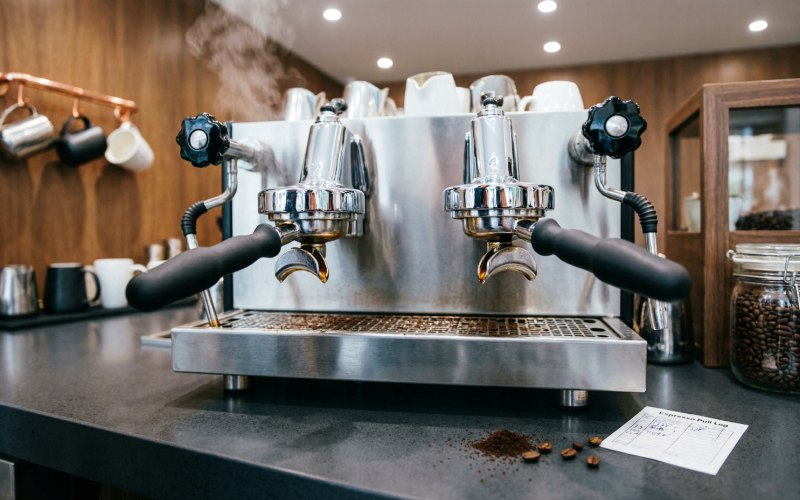
Skilled baristas or specialty cafés aiming for maximum flavor experimentation should consider manual machines. High-volume cafés or chains prioritizing speed, consistency, and reduced training time benefit from automatic machines. Decision matrices must weigh throughput, labor costs, and desired flavor control.