Join us in shaping the future of espresso innovation
Share your product ideas and market needs
Participate in prototype testing and optimization
Co-develop products with stronger market competitiveness

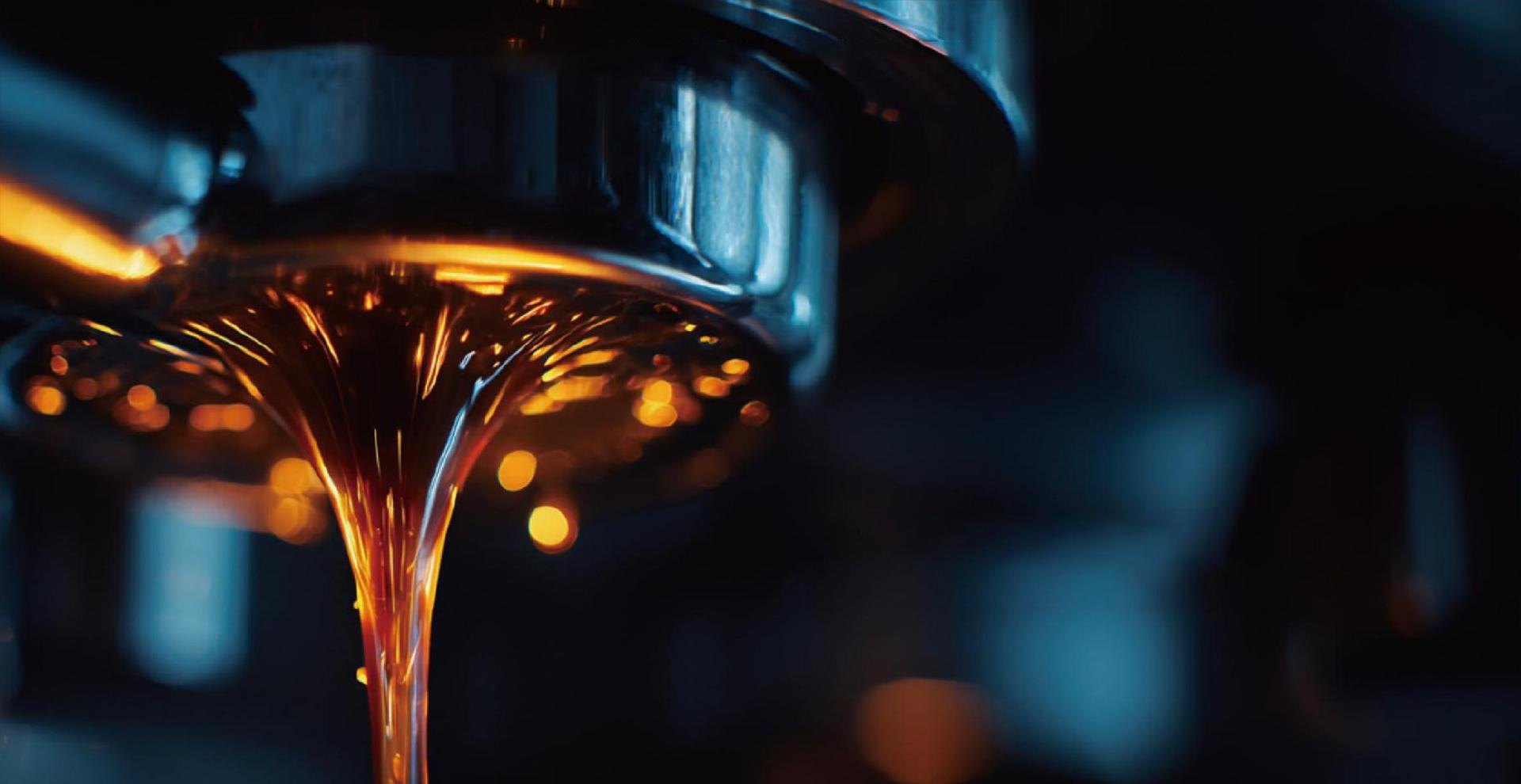
An espresso coffee machine is a precision brewing device that combines hydraulic pressure, thermal regulation, and filtration to extract espresso. Its primary ROI is consistency and flavor control, crucial for high-volume cafés and home enthusiasts seeking professional results.
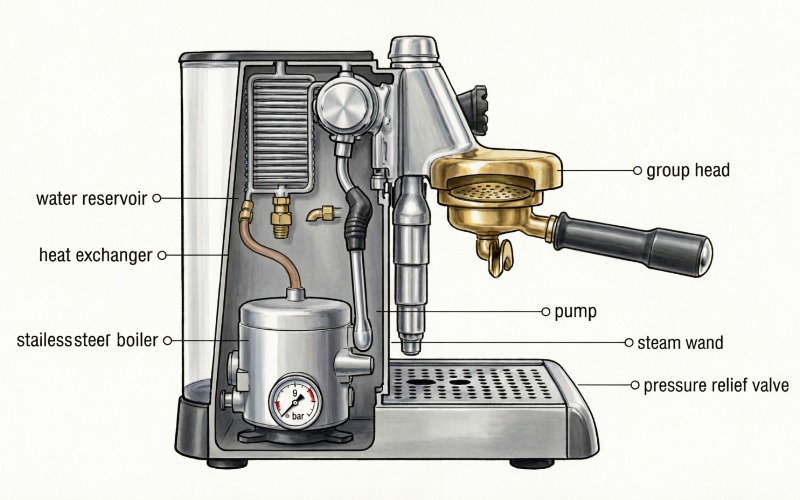
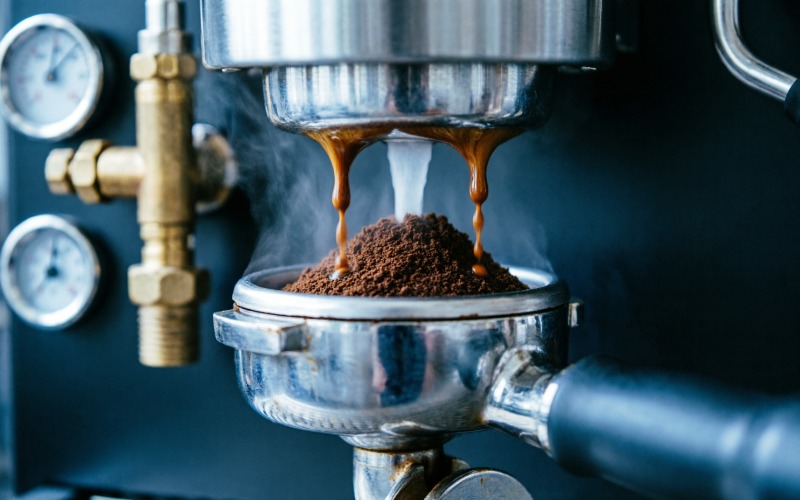
Espresso coffee machines operate by forcing near-boiling water through finely ground coffee under high pressure. A standard extraction requires 9 bar pressure, producing a 25–30 ml shot in 25–30 seconds. Pressure, water temperature, and grind size are critical variables. Field tests show temperature drift exceeding ±2°C can reduce crema quality by up to 15%.
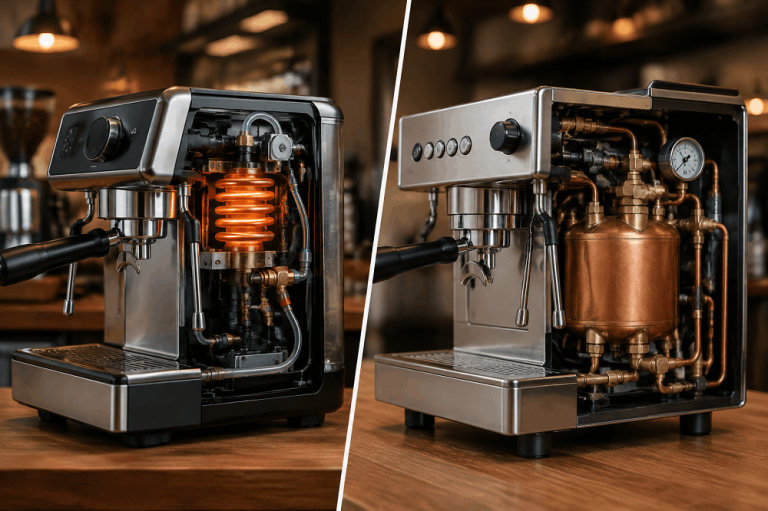
| Boiler Type | Capacity | Temperature Stability | Shot Throughput |
|---|---|---|---|
| Single Boiler | 1–2 L | ±2°C | 1–2 shots/min |
| Heat Exchanger | 1.5–3 L | ±1°C | 3–4 shots/min |
| Dual Boiler | 2–5 L | ±0.5°C | Continuous shots |
In commercial cafés, dual boilers allow simultaneous brewing and steaming, increasing efficiency by up to 40% compared with single boilers. Heat exchanger systems offer rapid recovery but require careful pre-infusion control.
Rotary pumps deliver consistent 9–15 bar pressure with low noise, ideal for high-volume operations. Vibration pumps are more compact but create pulsations that can affect extraction uniformity. Studies indicate rotary pumps reduce pressure fluctuations by 80% compared to vibration systems.
Home enthusiasts benefit from compact single boilers with vibration pumps for occasional use. Professional baristas and café operators require dual boiler or heat exchanger machines with rotary pumps for high throughput, precise thermal stability, and ROI-focused operations.
| Feature | Single Boiler | Heat Exchanger | Dual Boiler |
|---|---|---|---|
| Boiler Capacity | 1–2 L | 1.5–3 L | 2–5 L |
| Operating Pressure | 9 bar | 9 bar | 9–15 bar |
| Temperature Control | ±2°C | ±1°C | ±0.5°C |
| Shot Throughput | 1–2 shots/min | 3–4 shots/min | Continuous |
| Pump Type | Vibration | Rotary | Rotary |
| Pre-infusion Capability | No | Yes | Yes |
Entry-level home machines range $300–$800. Commercial dual boiler machines with rotary pumps cost $3,500–$15,000. Maintenance (descaling, pump servicing) adds ~5% of purchase price annually. ROI is typically achieved in 12–18 months for high-volume cafés.
An espresso machine is essential for producing high-quality espresso consistently. Understanding pressure, boiler type, pump mechanism, and PID control ensures optimal performance for both home enthusiasts and professional baristas.