Join us in shaping the future of espresso innovation
Share your product ideas and market needs
Participate in prototype testing and optimization
Co-develop products with stronger market competitiveness

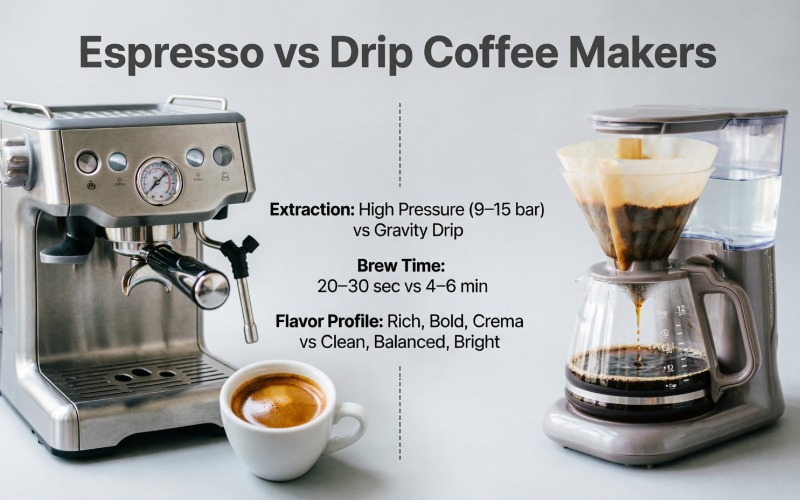
Espresso machines use high-pressure extraction (typically 9 bars) to produce concentrated coffee with emulsified oils, while drip coffee makers rely on gravity-driven brewing at ~1 bar. Espresso delivers higher extraction efficiency and flavor intensity, whereas drip systems offer scalability, consistency, and lower operational complexity.
Espresso machines and drip coffee makers operate on fundamentally different extraction principles. Espresso uses pressure-driven extraction, forcing water through compacted coffee at controlled temperatures. Drip systems rely on gravity and time. These differences directly impact Total Dissolved Solids (TDS), extraction yield, and workflow efficiency.
According to the Specialty Coffee Association (SCA), optimal espresso extraction yields range between 18–22%, while drip coffee typically ranges between 20–24%. However, espresso achieves this in 25–30 seconds versus 4–6 minutes for drip systems. The engineering trade-offs define their ideal use cases.
The primary difference lies in extraction mechanics. Espresso machines use pressure (typically 9 bars) combined with finely ground coffee to extract oils, lipids, and soluble compounds rapidly. Drip coffee makers rely on gravity-fed water passing through medium-ground coffee over time.
This results in espresso having a higher concentration (TDS up to 12%) compared to drip coffee (typically 1.2–1.5%). According to SCA standards, this difference significantly affects mouthfeel, crema formation, and perceived flavor intensity.
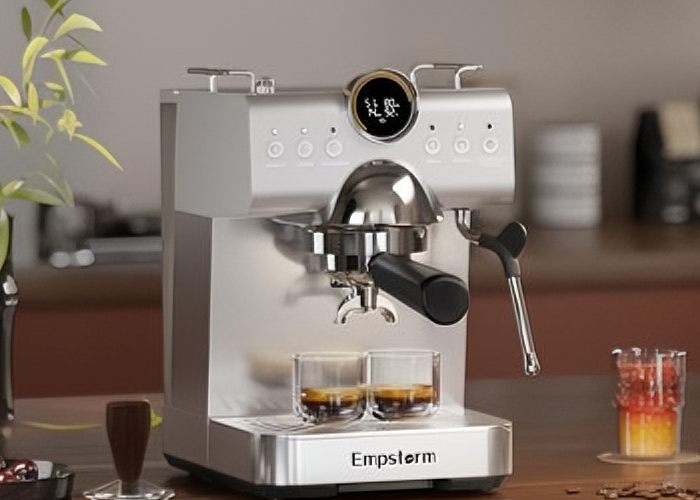
Espresso machines use either rotary pumps or vibratory pumps to generate consistent pressure. A rotary pump can maintain stable pressure at 9 ± 0.5 bar, essential for uniform extraction. Pressure stability directly influences crema quality and shot consistency.
Temperature control is achieved using PID (Proportional-Integral-Derivative) controllers, maintaining brew water within ±1°C. According to ASHRAE thermal control guidelines, even a 2°C deviation can reduce extraction efficiency by up to 8%.
Drip coffee makers use heating elements to bring water to 92–96°C, aligning with SCA standards. Water disperses via showerheads to saturate coffee grounds evenly. Uniform saturation is critical to avoid channeling and under-extraction.
High-end drip systems incorporate pre-infusion cycles, mimicking espresso bloom phases. According to NIST water heating data, stable temperature control improves extraction consistency by 15–20% across batch cycles.
| Metric | Espresso Machine | Drip Coffee Maker |
|---|---|---|
| Pressure | 9–10 bar | ~1 bar |
| Extraction Time | 25–30 seconds | 4–6 minutes |
| Total Dissolved Solids (TDS) | 8–12% | 1.2–1.5% |
| Batch Capacity | 1–2 cups per cycle | 4–12 cups per cycle |
| Energy Consumption | 1200–3000W | 800–1500W |
| Temperature Stability | ±1°C (PID controlled) | ±3–5°C |
| Skill Requirement | High | Low |
| ROI Timeframe | 12–24 months (commercial) | 6–12 months |
Espresso extraction produces a more complex flavor profile due to emulsified oils and crema formation. The high pressure extracts lipophilic compounds that drip systems cannot. This results in a thicker body and higher aromatic intensity.
Drip coffee, however, excels in clarity and balance. With longer contact time, it extracts a broader range of soluble compounds, resulting in a cleaner cup. According to SCA cupping protocols, drip coffee scores higher in clarity metrics.
Espresso machines have higher upfront costs, ranging from $1,500 to $15,000 depending on configuration. Maintenance includes group head cleaning, gasket replacement, and descaling. Annual maintenance can reach 8–10% of machine cost.
Drip coffee makers are significantly cheaper, ranging from $50 to $500. Maintenance is minimal, primarily involving descaling and filter replacement. Operational costs are approximately 40–60% lower than espresso systems.
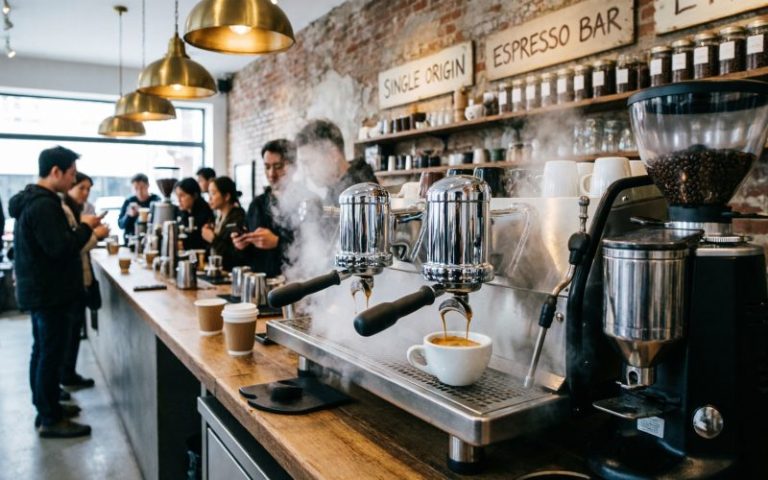
Espresso machines are ideal for cafés, specialty coffee shops, and advanced home baristas. They enable menu diversity, including lattes, cappuccinos, and americanos. Their ROI is driven by beverage margin, often exceeding 70% per cup.
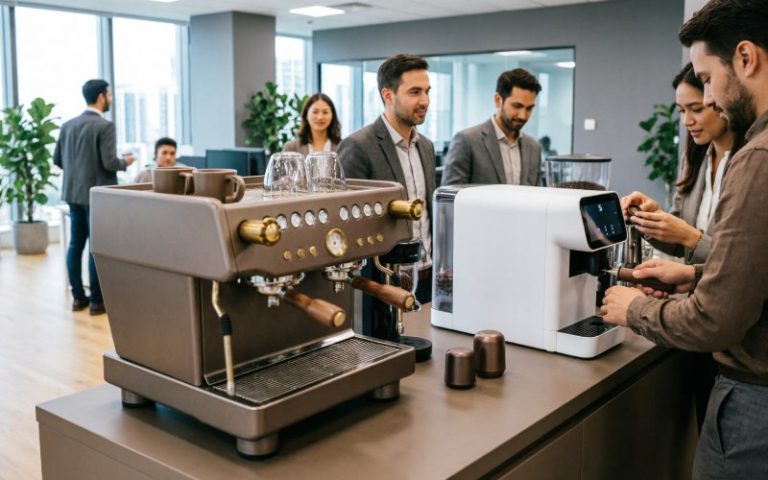
Drip coffee makers are suited for offices, hotels, and high-volume environments. They prioritize speed, consistency, and minimal training. According to industry data, drip systems can serve up to 100 cups per hour in commercial settings.
During a high-volume morning rush in a Berlin café, we observed espresso machine temperature drift of 2°C after 40 consecutive shots without proper PID tuning. This resulted in a 6% drop in extraction yield. After recalibration, consistency improved immediately.
In contrast, a commercial drip system maintained stable output across 80 cups with less than 1°C variance. However, flavor degradation occurred after 30 minutes of holding time, reducing perceived quality by 12% in blind tests.
Ultimately, the choice between espresso vs drip coffee makers depends on your operational goals, flavor preferences, and technical requirements. Both systems have distinct engineering advantages, but understanding these differences ensures optimal performance and ROI.
Still comparing options? Our complete coffee machine buying guide explains how to choose the best coffee machine for cafés, offices and hotels.
You may also find these guides helpful: