In commercial coffee shops, maintaining the performance of coffee machines is crucial for both quality and efficiency. Regular maintenance helps avoid costly repairs, extends the machine’s lifespan, and ensures consistently excellent coffee for customers. This guide covers the fundamentals of maintaining commercial coffee machines.
Key Takeaways
Regular maintenance is essential to prolong the lifespan of commercial coffee machines and improve performance.
Cleaning and descaling should be done at least weekly to prevent buildup of mineral deposits and coffee oils.
Ensure proper calibration of pressure and temperature for optimal extraction and consistency in drink quality.
Check for common issues such as leaking, slow brewing, and inconsistent steam pressure regularly.
Using high-quality water and cleaning solutions reduces the risk of machine failure and improves coffee taste.
What Are the Key Components of a Commercial Coffee Machine?
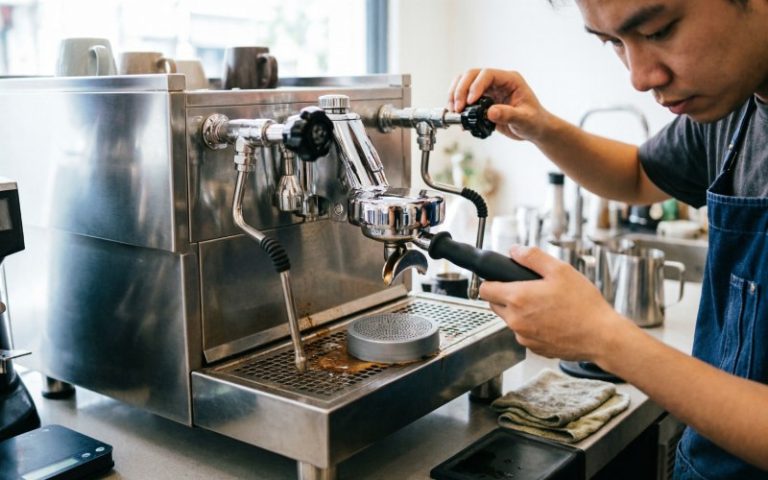
Commercial coffee machines are complex systems with multiple components that need regular care to function optimally. The key parts of a typical espresso machine include:
Boiler: Responsible for maintaining the water temperature for brewing and steaming.
Group Heads: Where the coffee is brewed, they must be clean and calibrated to ensure proper extraction.
Pumps: Responsible for regulating water pressure. A rotary or vibratory pump is often used.
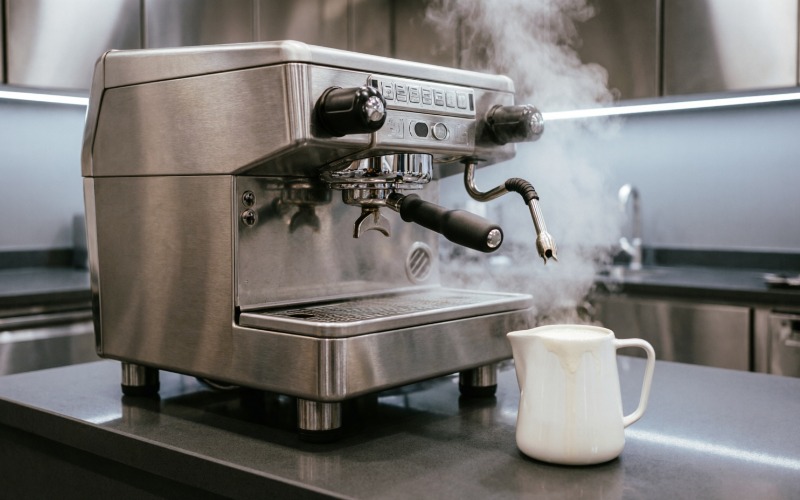
Steam Wand: For steaming milk, it should be cleaned after every use to avoid milk buildup and clogs.
Water Filtration System: Ensures water quality, which affects both machine performance and coffee flavor.
Why is Regular Maintenance Critical for Commercial Coffee Machines?
Commercial coffee machines face high usage, often running for hours on end, which makes them prone to wear and tear. Regular maintenance is crucial to:
Maintain performance: Clean machines brew more efficiently, ensuring high-quality coffee and consistency in drinks.
Prevent costly repairs: Small issues can escalate into expensive repairs if not addressed promptly.
Extend machine life: Proper care can significantly extend the lifespan of your machine, saving on replacement costs.
Essential Coffee Machine Maintenance Tasks
1. Cleaning and Descaling
One of the most important tasks in coffee machine maintenance is cleaning and descaling. This prevents the buildup of coffee oils, mineral deposits, and other contaminants that can affect both performance and taste.
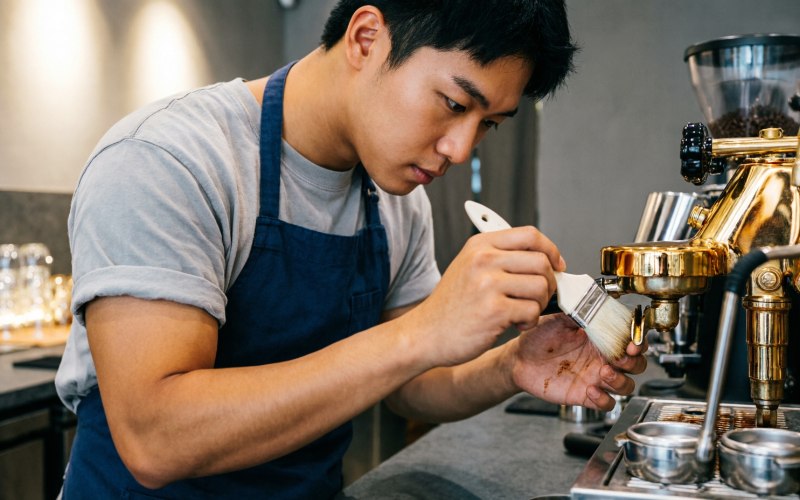
Cleaning should be done daily or weekly, depending on the level of use. Key cleaning tasks include:
Backflushing: This cleans the group head and prevents coffee oils from building up inside the machine.
Descaling: Descaling removes mineral buildup from the boiler and other parts. Use a high-quality descaling solution and perform this task at least once a month, or more frequently in areas with hard water.
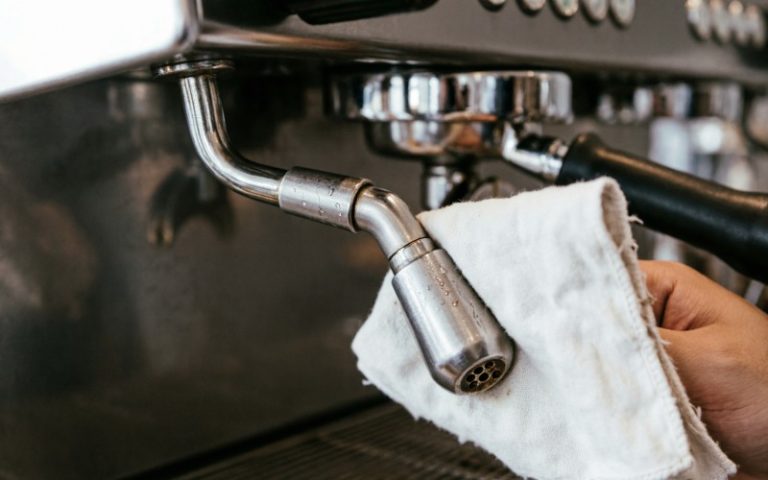
Cleaning the Steam Wand: After every use, purge and wipe down the steam wand to avoid milk residue buildup, which can lead to blockages and contamination.
2. Calibrating Pressure and Temperature
For optimal extraction and consistency, it’s crucial to calibrate the pressure and temperature of your espresso machine. Typically, espresso machines should operate at:
Pressure: Around 9 bars of pressure during extraction for optimal flavor.
Temperature: Between 90°C to 96°C for optimal brewing temperature.
Regularly checking and adjusting these parameters helps ensure that your espresso machine produces high-quality coffee consistently.
3. Checking for Leaks and Malfunctions
Leaks and malfunctions can cause significant damage to the machine if not addressed. Regularly check for:
Water leaks: These can occur around the group head or where water lines connect. A small leak can cause water damage over time.
Slow brewing: This might indicate a blockage in the water line or a problem with the pump.
Inconsistent steam pressure: This can result from a malfunctioning steam valve or pump.
4. Water Quality and Filtration
Water is an essential component in the coffee brewing process, and poor water quality can drastically affect both your machine and the flavor of your coffee. Use a high-quality water filtration system to:
Reduce mineral buildup: A good filtration system can help reduce limescale buildup in the boiler.
Improve flavor: Fresh, clean water is crucial for producing high-quality coffee.
Common Issues in Commercial Coffee Machines and How to Address Them
1. Inconsistent Extraction
Inconsistent extraction can occur due to improper grind size, incorrect pressure, or temperature fluctuations. To address this:
Ensure the grind size is consistent for each shot.
Check that the machine’s pressure and temperature are within the recommended ranges.
Regularly clean and calibrate the machine to prevent buildup or wear affecting performance.
2. Leaking Water
Leaks can occur due to worn-out seals, faulty valves, or loose connections. To address leaks:
Inspect seals and gaskets regularly for wear and replace them if necessary.
Tighten any loose connections or components.
3. Low Steam Pressure
Low steam pressure can be caused by mineral buildup or an issue with the pump. To fix this:
Descale the machine regularly to prevent mineral buildup.
Check the pump and steam valve for malfunctions.
How Much Does Coffee Machine Maintenance Cost?
The cost of coffee machine maintenance depends on several factors:
Frequency of service: Routine cleaning and descaling are inexpensive, but regular professional servicing can cost $100-$300 per year.
Parts replacement: Replacing worn-out components such as seals, gaskets, or pumps can cost anywhere from $50 to $500, depending on the part.
Water filtration systems: Installing and maintaining a filtration system can cost $100-$500 annually.
Overall, investing in regular maintenance saves money in the long term by preventing costly repairs and extending the life of the machine.
Who Should Perform Coffee Machine Maintenance?
Routine maintenance tasks can be performed by trained baristas or in-house technicians. However, for more complex issues or when parts need replacement, it’s advisable to call a professional technician who specializes in commercial coffee machines.
Conclusion
Regular maintenance is essential for keeping your commercial coffee machine in top condition. By following the recommended cleaning, descaling, and calibration procedures, you can extend the lifespan of your machine, prevent costly repairs, and consistently serve high-quality coffee.
FAQ
How often should I clean my coffee machine?
Clean your commercial coffee machine daily or at least once a week, depending on usage. Regular cleaning prevents buildup and ensures high-quality coffee.
What is the ideal pressure for espresso extraction?
The ideal pressure for espresso extraction is around 9 bars for optimal flavor.
How can I prevent steam wand blockages?
Always purge and wipe down the steam wand after each use. This prevents milk residue from accumulating and causing blockages.
How do I know when to descale my machine?
Descale your machine every 1-3 months, or more frequently in areas with hard water. Descaling removes mineral buildup that affects machine performance.