Join us in shaping the future of espresso innovation
Share your product ideas and market needs
Participate in prototype testing and optimization
Co-develop products with stronger market competitiveness

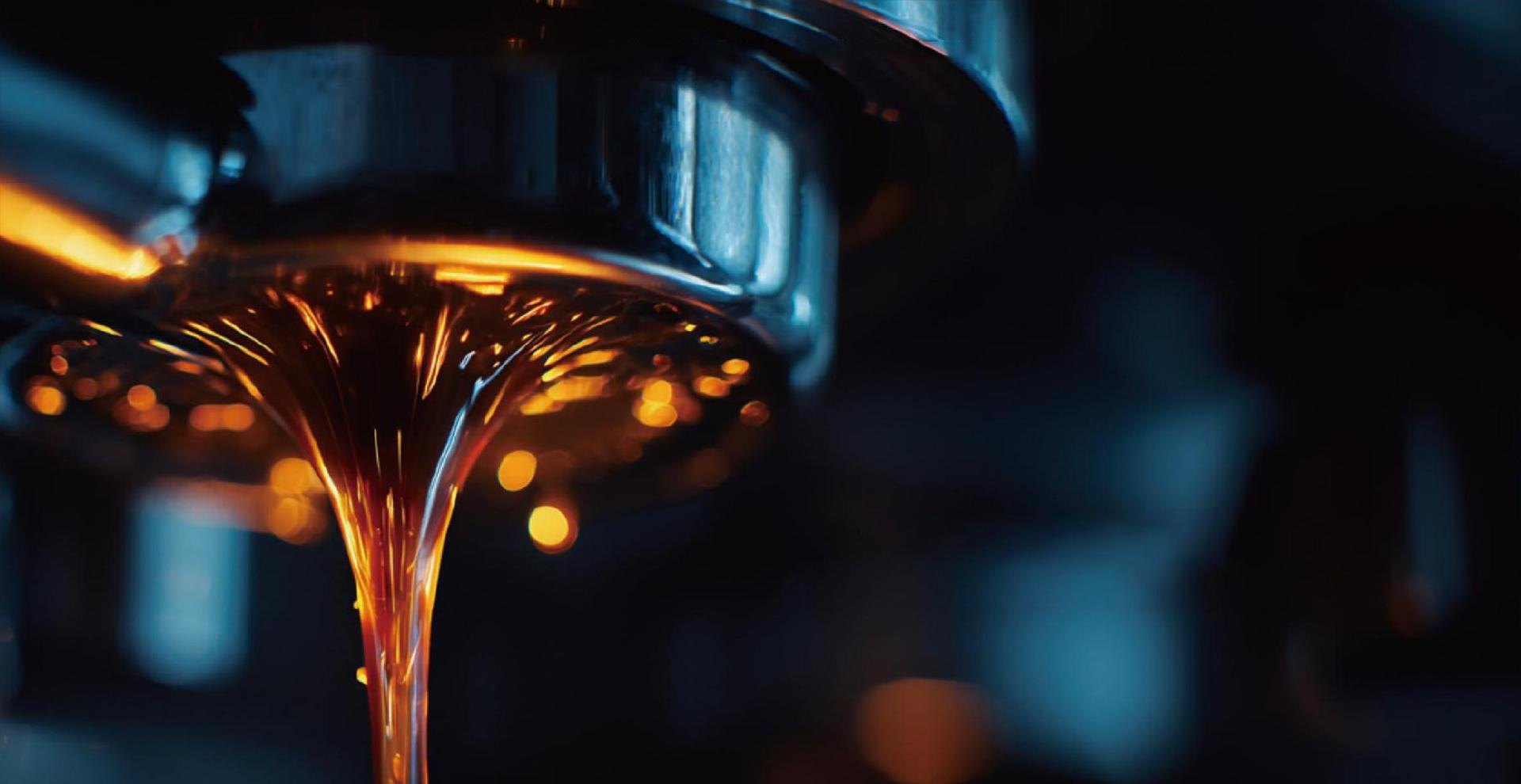
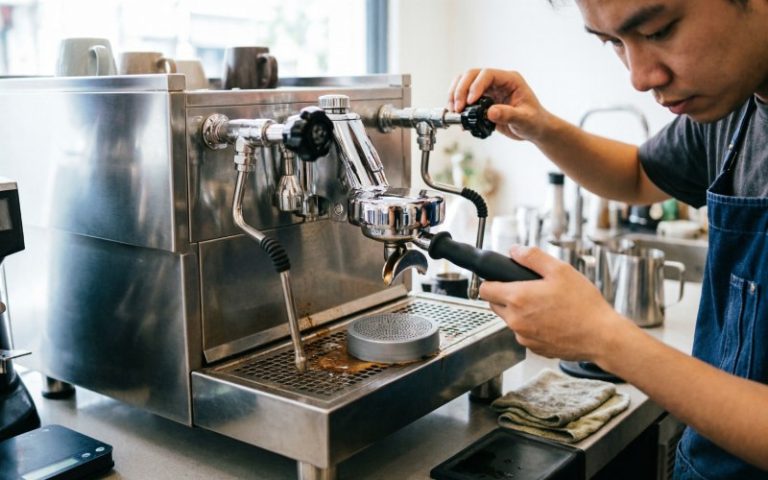
Espresso coffee machine maintenance is crucial for ensuring consistent performance and extending the lifespan of your equipment. Regular cleaning, calibration, and part replacement help avoid breakdowns and maintain the quality of your coffee.
Espresso machines are a vital part of any café, hotel F&B, or high-end coffee service. Proper maintenance is not only crucial for ensuring high-quality coffee but also for extending the lifespan of the machine. A well-maintained espresso machine operates more efficiently, produces better coffee, and reduces the risk of breakdowns, making regular care essential for owners and operators.
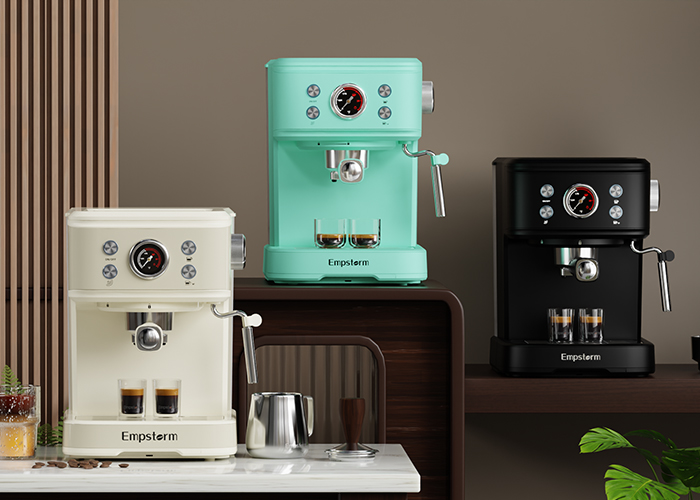
Maintaining an espresso coffee machine involves performing a series of cleaning, calibration, and servicing tasks to keep it running at peak efficiency. Regular maintenance can prevent common problems, such as inconsistent pressure, clogging, or temperature fluctuations, that can affect coffee quality.
Regular maintenance helps prevent the buildup of oils, coffee grounds, and mineral deposits that can cause blockages and reduce the efficiency of your espresso machine. For instance, scale buildup can affect the temperature stability and pump pressure, leading to poor extraction and inconsistent brewing. Moreover, proper care ensures that the machine is always calibrated correctly, offering consistent results with each shot.
The main components of an espresso machine that require regular maintenance are:
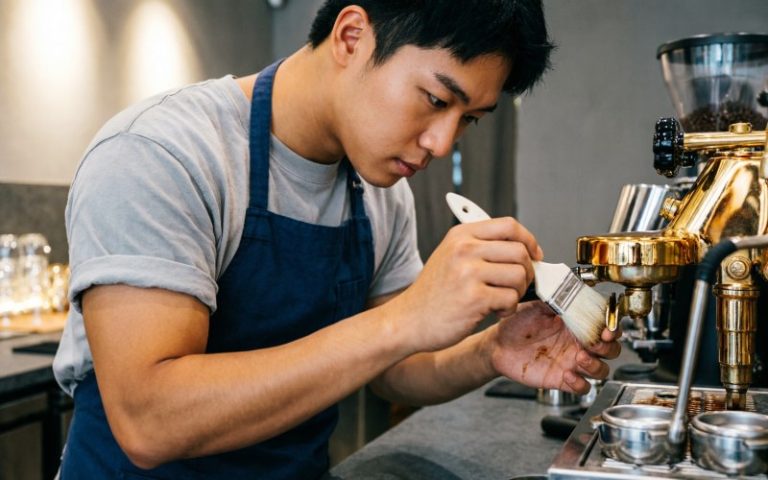
Daily maintenance ensures that your espresso machine is in top shape for high-volume service. Below are the essential daily tasks:
In addition to daily cleaning, weekly maintenance is necessary to keep your espresso machine operating smoothly:
On a monthly basis, it’s crucial to perform the following tasks:
Inconsistent pressure during extraction can be caused by clogged group heads or malfunctioning pressure valves. To resolve this, clean the group heads, backflush the machine, and inspect the pressure valve for proper operation.
If the temperature fluctuates during brewing, the boiler may need descaling, or the thermostat might need calibration. Regular descaling and temperature calibration will help prevent this issue.
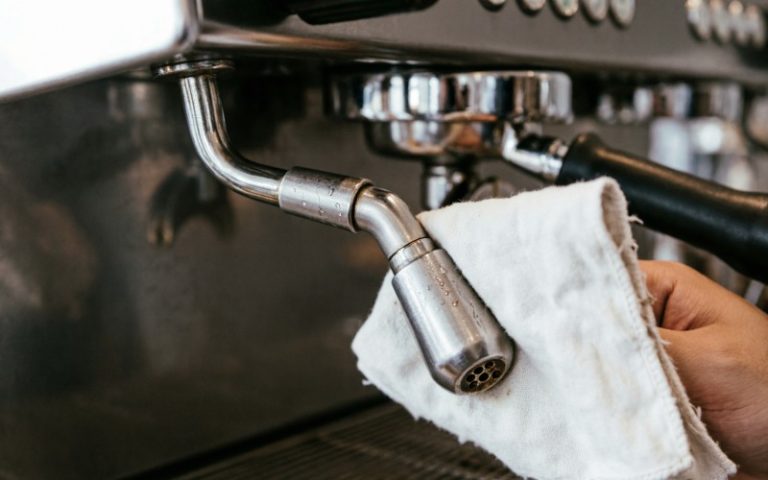
A clogged steam wand can result from milk buildup. Ensure that you clean the steam wand after every use and use a steam wand cleaning solution as needed.
Investing in regular maintenance may seem like an added expense, but it’s essential for preventing costly breakdowns. On average, well-maintained espresso machines last 20-30% longer than those that are not serviced regularly. The ROI comes not just in terms of longevity but also in the reduction of expensive repairs and downtime.
This guide is ideal for café owners, hotel F&B directors, and elite home baristas who want to keep their espresso machines running smoothly and ensure high-quality coffee production. Whether you’re managing a busy café or setting up a luxury hotel coffee station, maintaining your espresso machine is key to delivering consistent, delicious beverages.
During a peak service hour in a busy café, we once encountered a sudden drop in brewing pressure. Upon inspection, it was clear that the group heads were clogged with old coffee oils, and the machine hadn’t been backflushed in weeks. After a thorough cleaning, the pressure returned to normal, and the espresso quality was restored.
Maintaining your espresso coffee machine is vital for ensuring consistent performance, improving coffee quality, and extending the life of your equipment. Regular cleaning, descaling, and part replacement will prevent costly repairs and keep your machine in top working order.