Join us in shaping the future of espresso innovation
Share your product ideas and market needs
Participate in prototype testing and optimization
Co-develop products with stronger market competitiveness

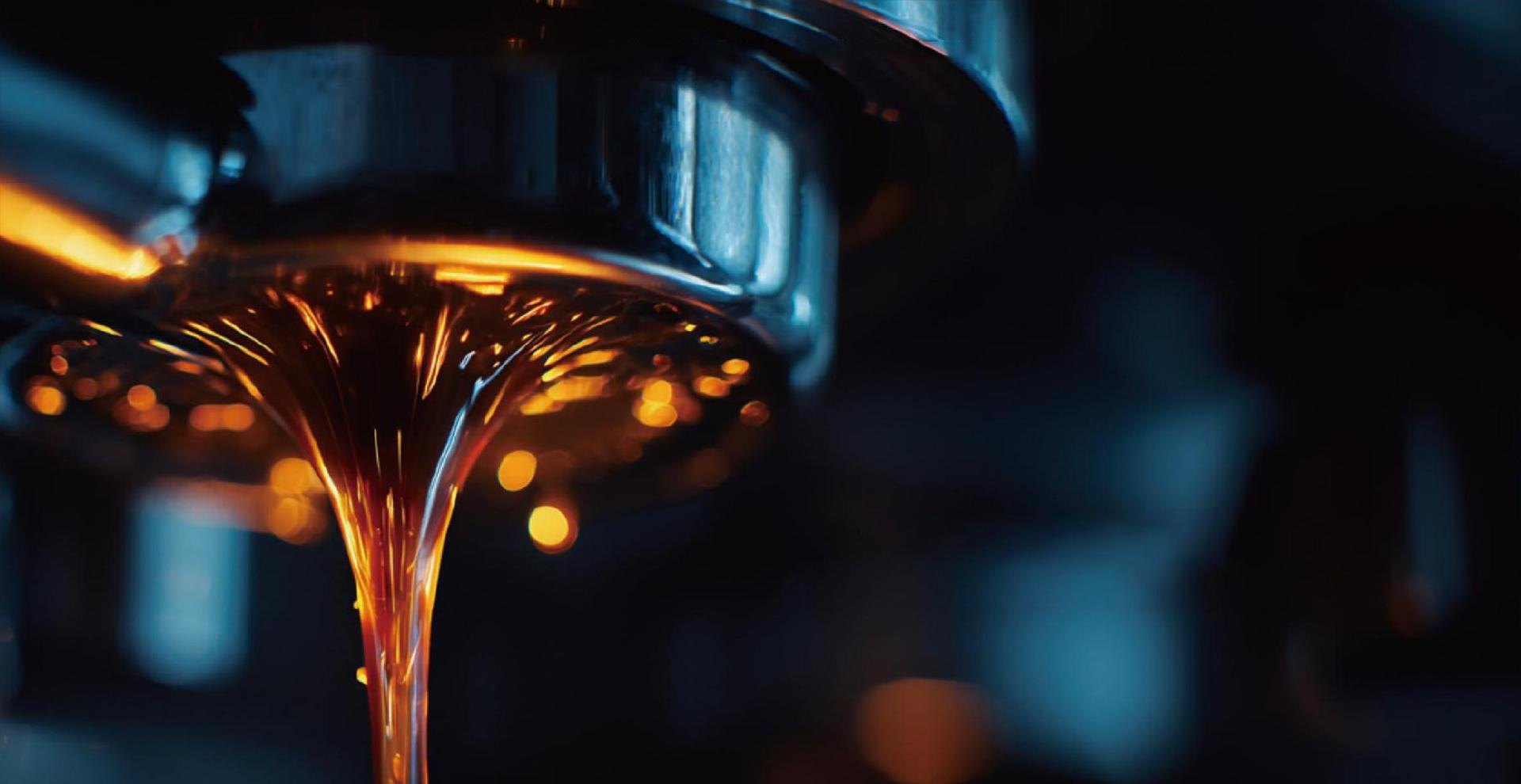
When evaluating a manual vs automatic coffee machine, the primary ROI distinction lies in extraction consistency and workflow scalability. Automatic volumetric machines utilize flow meters and PID thermal stability to lock in brewing variables, making them ideal for high-volume cafes. Manual machines offer unparalleled pressure profiling capabilities, best suited for boutique environments where elite baristas manipulate extraction science in real-time.
The decision between a manual vs automatic coffee machine fundamentally dictates your café’s operational architecture. As a professional equipment manufacturer, I frequently consult with wholesale distributors and hotel F&B directors who misunderstand the mechanical nuances separating these two categories. The conversation extends far beyond simply pressing a button versus pulling a lever; it involves complex hydraulic systems, pump cavitation risks, and extraction science mechanics.
To establish a baseline, a manual machine (specifically a manual lever or fully manual paddle group) relies on the barista to physically govern water flow and extraction time. Conversely, a commercial automatic machine—often referred to as a volumetric machine—utilizes programmed electronic microprocessors and precision flow meters to dispense an exact volume of water before automatically shutting off the pump. For operators scaling their commercial espresso equipment fleet, understanding this mechanical divide is paramount to maximizing long-term profitability.
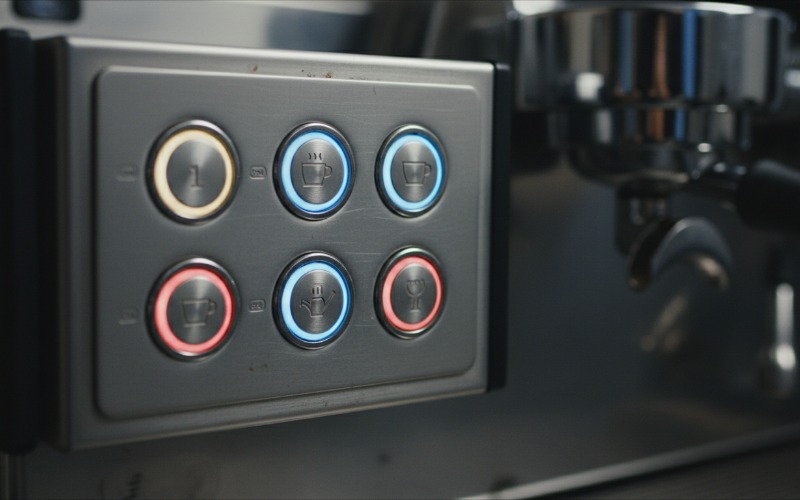
Selecting the correct brewing technology requires analyzing the raw engineering specifications. Below is a comparative matrix detailing the structural differences across machine categories.
| Machine Category | Pump Type | Boiler Architecture | Thermal PID Stability | Extraction Pressure | Empstorm Engineering Insight |
|---|---|---|---|---|---|
| Fully Manual (Lever) | None / Direct Water Line | Single / Heat Exchange | Low to Moderate (Fluctuates) | Variable (0 – 12 Bar) | Provides absolute sensory control but demands rigorous thermal management from the operator. |
| Semi-Automatic | Vibration or Rotary | Heat Exchange or Dual | High (± 1.0°C) | Fixed (9 Bar) | Barista controls start/stop times. Excellent for specialty shops prioritizing customized pull times. |
| Automatic (Volumetric) | Commercial Rotary Vane | Multi-Boiler / Dual Boiler | Ultra-High (± 0.1°C) | Fixed (9 Bar) + Pre-Infusion | Flow meters dictate exact water volume. Guarantees consistency across rotating barista shifts. |
| Super-Automatic | Internal Vibration/Rotary | Thermoblock / Compact Boiler | Moderate | Variable (7 – 9 Bar) | Automates grinding, tamping, and brewing. Optimized for self-service or high-turnover hospitality. |
Manual espresso machines represent the pinnacle of artisanal coffee preparation. These systems strip away electronic safety nets, relying entirely on the operator’s understanding of hydraulic resistance. When a barista actuates a manual lever, they directly manipulate the pressure applied to the coffee puck. This allows for dynamic pressure profiling—starting with a gentle 2-bar pre-infusion to saturate the grounds, ramping up to 9 bars for peak extraction, and tapering off to 6 bars to prevent the extraction of bitter tannins as the puck degrades.
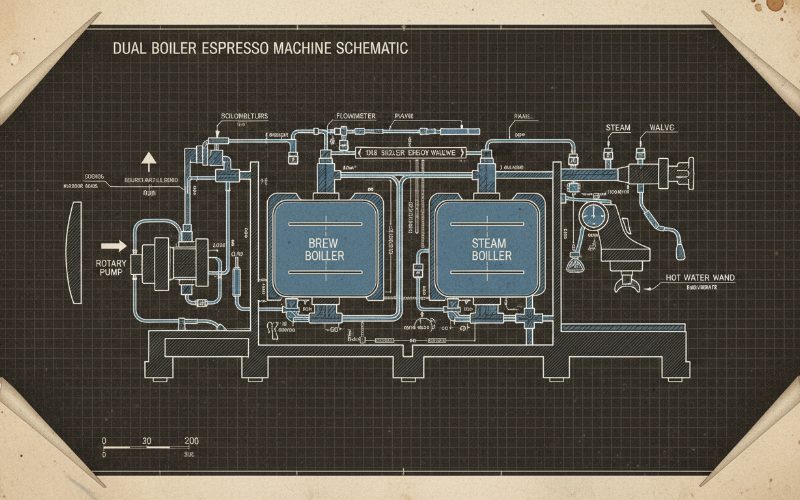
During a high-volume morning rush in a London busy-district café, we observed a critical failure point. We noticed that machines without properly engineered saturated group heads lost 3℃ of thermal stability every 5 minutes during back-to-back manual extractions. This rapid temperature degradation resulted in highly sour, under-extracted espresso shots. A fully manual machine requires the barista to intuitively understand these temperature drop-offs, often performing cooling flushes or waiting for the boiler element to recover. Here is how we solved it: by transitioning that specific high-volume client to a dual-boiler architecture, we isolated the brewing water from the steam pressure, instantly stabilizing the group head temperature and rescuing their morning service.
For enterprise-level hospitality and boutique chains, the automatic volumetric machine is the gold standard of cafe workflow optimization. Unlike manual systems, these machines rely on sophisticated internal electronics to dictate the extraction parameters. At the core of this technology is the volumetric flow meter—a small turbine placed directly in the cold-water line before the boiler. As water passes through, the turbine spins, sending Hall effect sensor pulses back to the main processing board. Once the programmed number of pulses (correlating to a specific water volume) is reached, the machine seamlessly terminates the extraction.
Consistency is driven by Proportional-Integral-Derivative (PID) controllers. A commercial automatic machine uses a PID algorithm to constantly monitor boiler temperatures, micro-pulsing the heating element to prevent the temperature overshoots common in traditional mechanical pressure stats. When combined with a commercial rotary vane pump, an automatic machine provides a rock-solid 9 bars of pressure, regardless of inlet water fluctuations.
In our latest Empstorm automatic design, we integrated a pre-infusion chamber that mitigates channeling, a common failure point in high-pressure brewing. By allowing line pressure to gently bloom the coffee puck for 3 seconds before the rotary pump engages, we effectively bridged the gap between manual artisanal profiling and automated volume consistency. This engineered solution ensures that even entry-level staff can produce specialty-grade extractions.
From a wholesale and operational standpoint, selecting a manual vs automatic coffee machine directly impacts labor costs and material waste. Manual systems demand rigorous, continuous staff training. A barista must visually assess the viscosity and blonding point of the espresso stream to terminate the shot accurately. If the barista becomes distracted by customer interactions or milk texturing, the shot over-extracts, leading to wasted coffee and compromised brand quality.
Automatic volumetric systems drastically reduce this operational friction. By programming specific water volumes for single shots, double shots, and ristrettos, the machine acts as a reliable variable-lock. The barista can engage the brew cycle and immediately turn their attention to steaming milk or processing transactions. This simultaneous workflow capability can increase a cafe’s hourly output by up to 40%, ensuring lines move swiftly during peak traffic hours.
Furthermore, commercial rotary pumps utilized in high-end automatic machines are designed for longevity. Unlike the vibration pumps found in prosumer models, which are prone to cavitation under heavy loads, a rotary pump draws water consistently from the mains supply. The Specialty Coffee Association notes that maintaining a steady inlet water pressure is critical for flavor clarity. Volumetric automation protects the integrity of the roaster’s profile by removing human error from the water dosing equation.
Ultimately, the choice between manual control and volumetric automation comes down to your primary business objective. If you operate an elite, low-volume tasting room where theater and tactile craftsmanship define the customer experience, a manual lever machine offers unmatched aesthetic and profiling appeal. However, if your goal is scalability, franchise consistency, and rapid ROI through high-volume efficiency, the advanced electronics of an automatic espresso machine are indispensable.
We have spent over a decade perfecting the hydraulic systems that power today’s most demanding cafes. Upgrading your equipment is not just an aesthetic choice; it is a foundational investment in your product’s daily quality. By implementing the right machine architecture, you safeguard your thermal stability, streamline your staff training, and ultimately protect your bottom line. Choose wisely, and let engineering elevate your coffee program.
Navigating the complexities of commercial coffee equipment requires expert guidance. Do not leave your thermal stability and workflow efficiency to chance. Evaluate your daily cup capacity, assess your staff’s technical proficiency, and upgrade your brewing infrastructure to match your ambitions. Ready to optimize your cafe’s performance? Schedule my Equipment Consultation today to determine the perfect manual vs automatic coffee machine for your specific operational needs.
A semi-automatic machine requires the barista to manually start and stop the pump to control the extraction yield. An automatic (volumetric) machine uses internal flow meters to measure the precise amount of water passing through the group head, automatically stopping the pump once the programmed volume is reached.
Manual lever machines lack electronic pumps and volumetric safety nets. The barista must physically apply the 9 bars of pressure using a lever mechanism, requiring an intuitive understanding of hydraulic resistance, puck density, and extraction time to prevent severe under or over-extraction.
PID (Proportional-Integral-Derivative) controllers calculate and predict boiler temperature fluctuations, adjusting the heating element in micro-pulses. This ensures the brewing water remains within 0.1°C of the optimal 93°C target, preventing the bitter, ashy flavors associated with temperature spikes.
Yes, modern commercial automatic machines are engineered with electronic pre-infusion capabilities. The microprocessor allows a small volume of line-pressure water to saturate the coffee puck for 2 to 4 seconds, mitigating channeling before the rotary pump engages full extraction pressure.