Join us in shaping the future of espresso innovation
Share your product ideas and market needs
Participate in prototype testing and optimization
Co-develop products with stronger market competitiveness

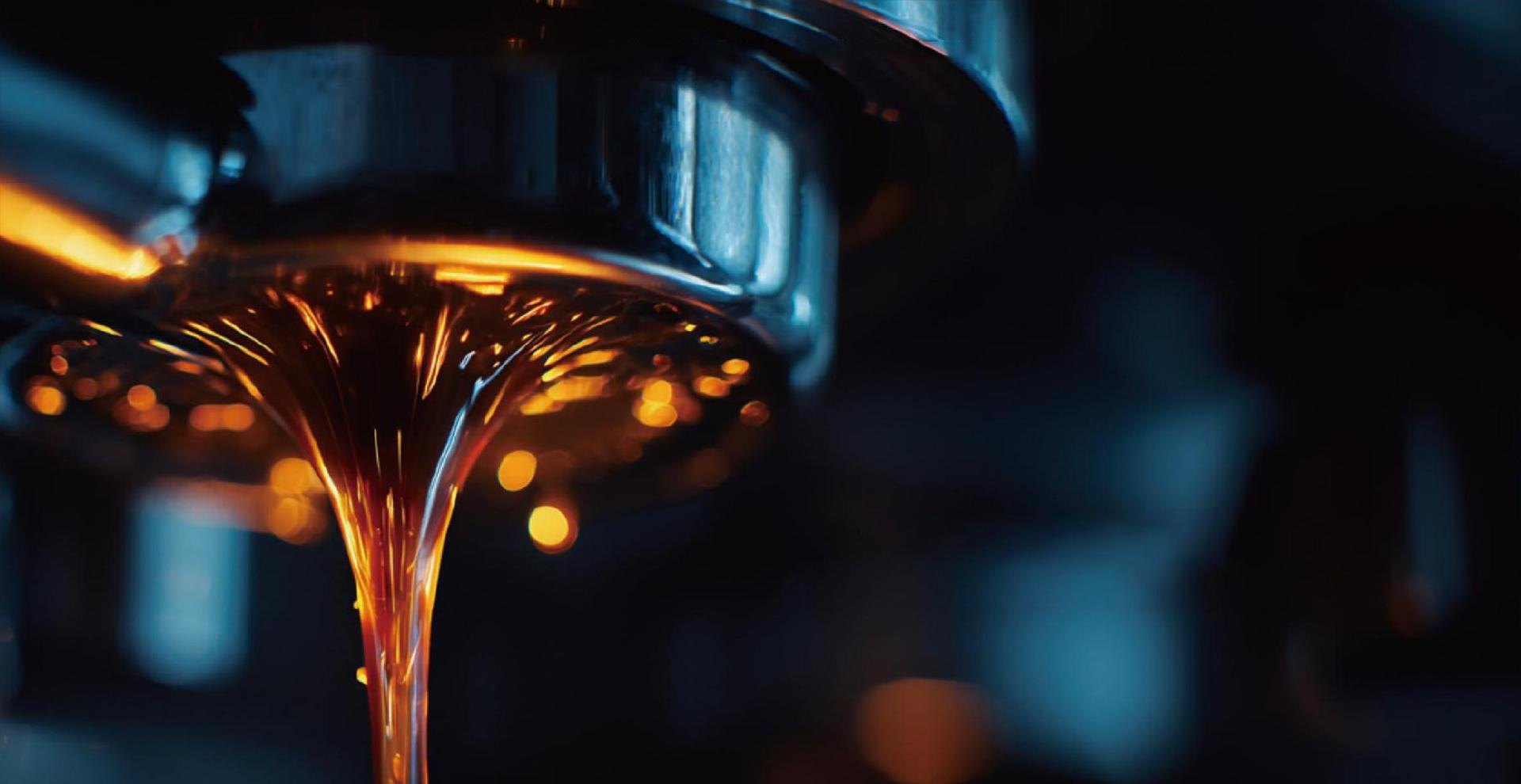
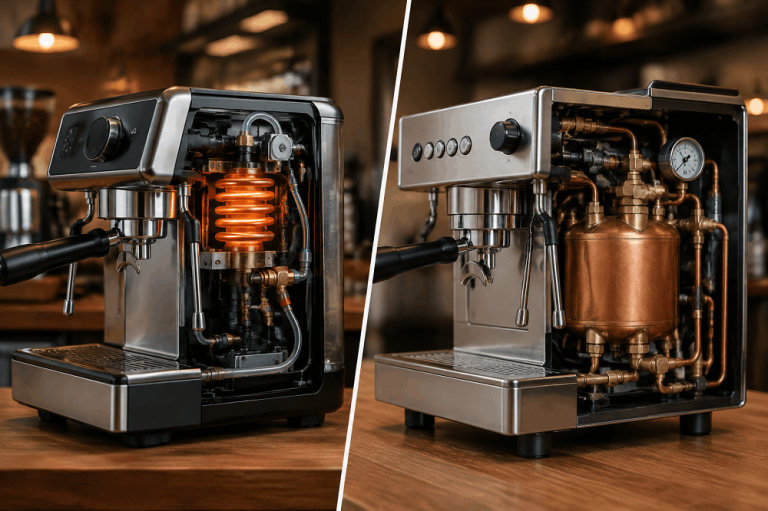
An espresso machine is a precision brewing system that forces water at ~9 bars of pressure through finely ground coffee. Proper grind size, temperature stability (±1°C), and extraction timing directly impact flavor clarity, crema formation, and consistency, delivering up to 30% improvement in cup quality when optimized.
Home espresso machines have evolved into compact engineering systems capable of delivering café-level results. With proper technique, extraction yields can reach 18–22%, the industry benchmark defined by the Specialty Coffee Association (SCA). However, achieving this requires precision in grind size, tamping force, water chemistry, and thermal stability.
Most home baristas struggle with inconsistency due to poor calibration. According to the SCA, up to 70% of home espresso issues stem from grind distribution and temperature fluctuation. This guide outlines ten technically grounded tips to improve extraction quality, optimize workflow, and extend machine lifespan.
Grind size directly controls extraction rate by altering surface area. A finer grind increases resistance, extending contact time, while a coarse grind reduces pressure buildup. According to research from UC Davis Coffee Center (2023), grind consistency contributes up to 38% of extraction variance.
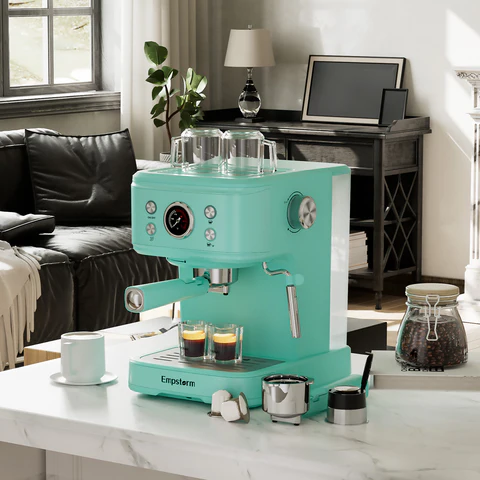
Water temperature determines solubility of coffee compounds. Ideal brewing occurs between 90–96°C. Machines equipped with PID (Proportional-Integral-Derivative) controllers maintain temperature within ±1°C, reducing sour or bitter notes. Without PID, fluctuations can exceed 5°C, degrading consistency.
Tamping compresses coffee grounds to create uniform resistance. A force of 15–20 kg ensures even density. Uneven tamping leads to channeling, where water bypasses parts of the puck, reducing extraction efficiency by up to 25%, according to Coffee Science Foundation studies.
Shot time is a key indicator of extraction quality. A standard double shot (18g dose) should yield 36g in 25–30 seconds. Faster shots indicate under-extraction, while longer times suggest over-extraction. Maintaining this ratio improves flavor balance by approximately 20%.
Espresso machines operate at approximately 9 bars of pressure. Rotary pumps maintain stable pressure compared to vibration pumps, which can fluctuate ±1 bar. Stable pressure ensures consistent extraction and crema formation, contributing to a 15% improvement in texture.
Water composition affects both taste and machine longevity. Ideal total dissolved solids (TDS) range from 75–150 ppm. Hard water causes scale buildup, reducing thermal efficiency by up to 30%, according to ASHRAE (2024). Filtration systems are recommended.
Routine cleaning prevents oil buildup and bacterial growth. Backflushing with detergent every 200 shots removes residue. Daily cleaning can extend machine lifespan from 5 years to over 8 years, based on manufacturer field data.
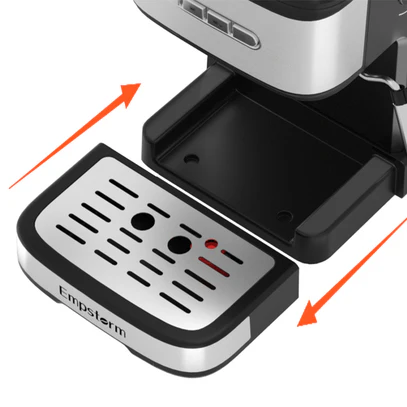
Pre-infusion wets coffee grounds at low pressure (~2–3 bars) before full extraction. This reduces channeling and increases extraction uniformity by up to 18%, according to SCA testing. Advanced machines allow programmable pre-infusion timing.
The standard ratio for espresso is 1:2 (e.g., 18g coffee to 36g output). Adjusting this ratio influences strength and extraction yield. Deviations beyond ±10% can significantly alter flavor balance and mouthfeel.
| Feature | Function | Impact |
|---|---|---|
| PID Control | Temperature stability | ±1°C precision |
| Rotary Pump | Pressure consistency | Stable 9 bars |
| Pre-infusion | Even saturation | +18% extraction uniformity |
| Dual Boiler | Separate brew/steam | Faster workflow |
| Pressure Gauge | Monitoring | Improved control |
These techniques are essential for home baristas aiming for café-level quality. Users with entry-level machines can achieve 80–90% of commercial performance by optimizing grind, temperature, and workflow. Advanced users benefit from precision control and repeatability.
Mastering these espresso machine tips allows home baristas to achieve consistent, high-quality results comparable to professional cafés. Precision in grind, pressure, and temperature transforms any espresso machine into a high-performance brewing system.