Join us in shaping the future of espresso innovation
Share your product ideas and market needs
Participate in prototype testing and optimization
Co-develop products with stronger market competitiveness

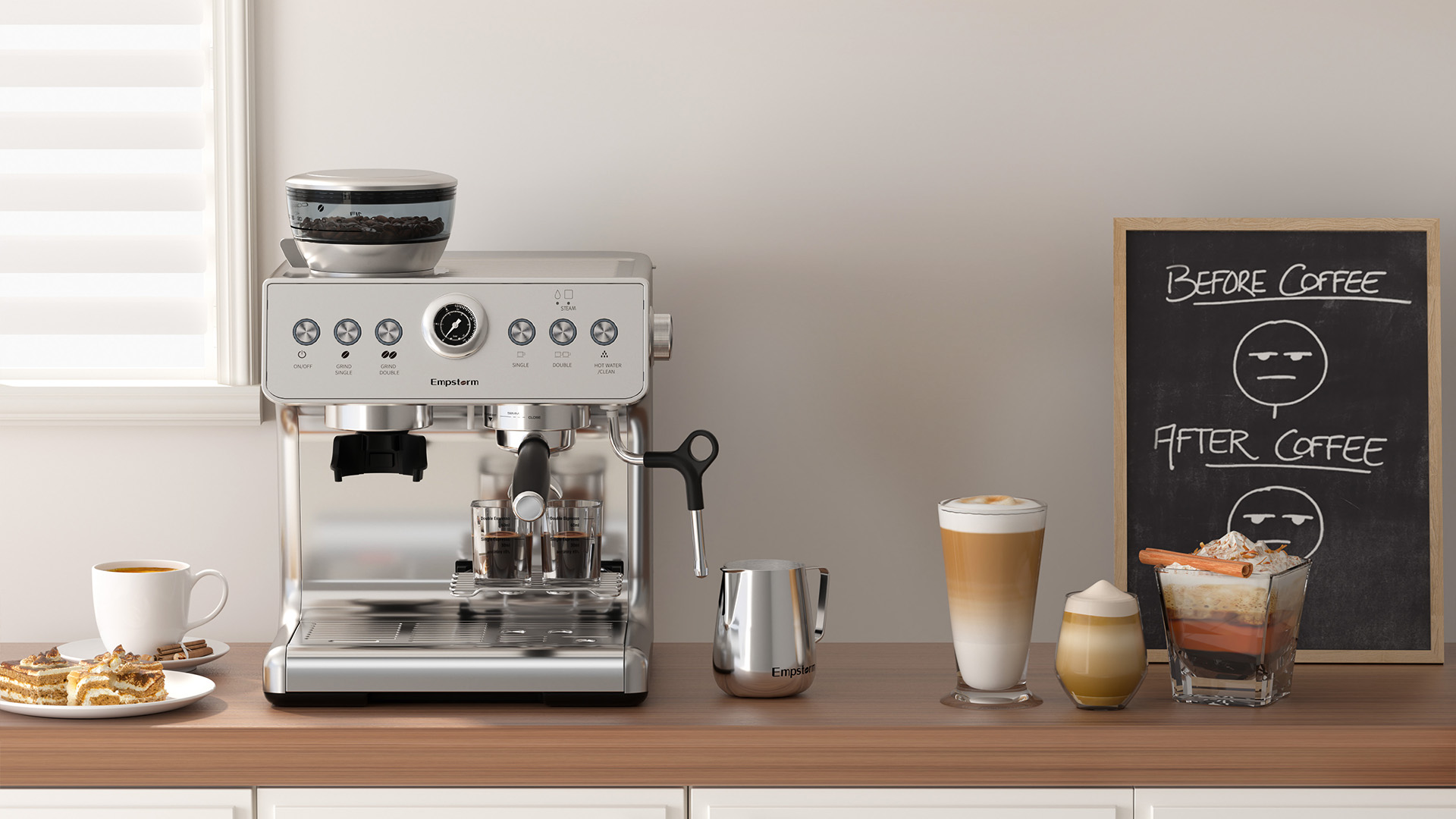
A comparsion between espresso and drip brewing from a commercial and B2B perspective, including how they work, the flavor and output differences, operational requirements, and which machine fits each scenario.
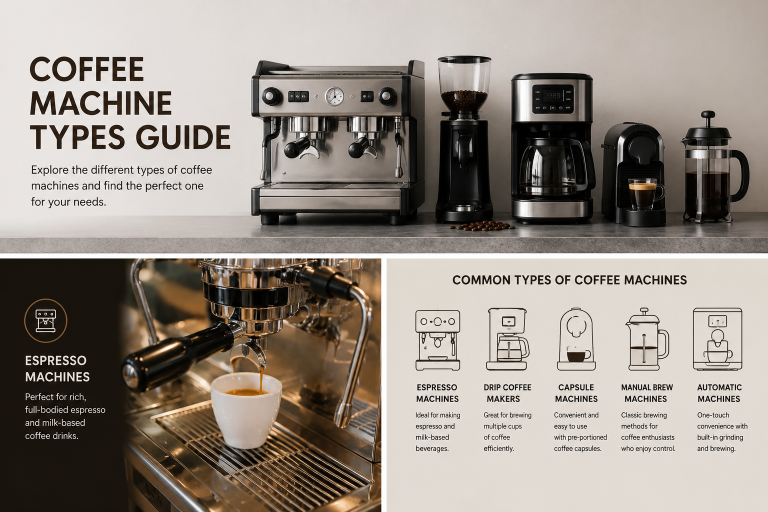
If you’re new to espresso machines, start with our Ultimate Guide to Coffee Machine Types.
Choosing between an espresso machine and a drip coffee maker (filter coffee machine) is not just about taste. For cafés, offices, hotels, and distributors, the choice affects workflow, staffing, beverage menus, maintenance, and long-term cost. This guide compares espresso vs drip brewing from a commercial and B2B perspective—so buyers avoid mismatches and make decisions that scale.
| Factor | Espresso Machine | Drip Coffee Maker (Filter Coffee Machine) |
|---|---|---|
| Brewing method | Pressure extraction | Gravity filtration |
| Typical output | Small, concentrated shots | Large batch servings |
| Best for | Espresso menu, milk drinks | Multi-cup service, self-serve |
| Skill requirement | Medium–high | Low |
| Speed | Fast per shot; peaks need workflow planning | Fast batch output for groups |
| Maintenance | Higher (scale, seals, pump, group parts) | Lower (basket/filter, carafe/plate) |
| Cost per cup | Higher margin potential | Lower per-cup cost |
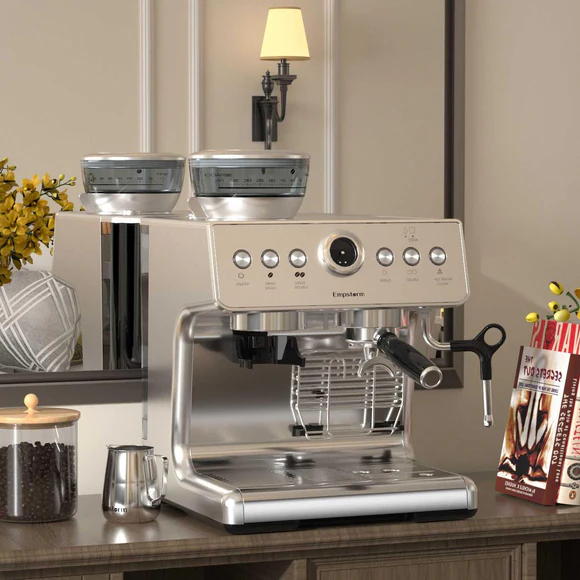
An espresso machine brews coffee by forcing hot water through finely ground coffee under pressure to create a concentrated espresso shot. Espresso becomes the base for many drinks—lattes, cappuccinos, and Americanos—so it is essential for cafés and hospitality venues that sell milk-based beverages.
Best fit: cafés, restaurants, boutique hotels, coffee carts, premium retail channels.
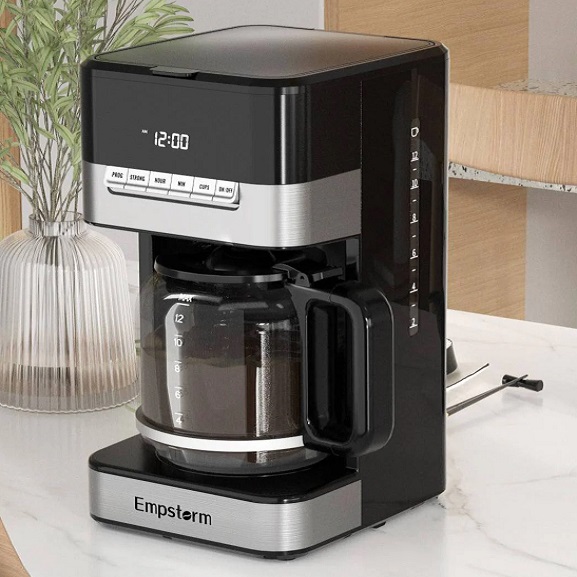
A drip coffee maker brews coffee using gravity: hot water flows through medium-ground coffee in a filter and drips into a carafe or thermal jug. This method produces larger volumes of balanced coffee and works well in shared environments where users serve themselves.
Best fit: offices, hotels, breakfast areas, meeting rooms, convenience stores, institutional use.
Espresso uses pressure-driven extraction to pull oils and dissolved solids quickly, producing a bold, intense cup. Drip brewing uses gravity filtration, emphasizing clarity and balance over intensity. This difference changes body, strength, mouthfeel, and performance in milk drinks.
Espresso extracts fast but requires tighter control of grind size, dose, tamping, and temperature. Drip brewing takes longer per batch but standardizes easily across users—ideal for low-training environments.
If your business needs a full espresso menu, espresso equipment is non-negotiable. If you need multiple cups quickly with minimal supervision, drip batch brewing usually wins.
Choose an espresso machine if you sell milk drinks or want premium customization. Espresso programs often improve profit per cup, but they require staff training, calibration, and proactive maintenance planning.
Explore coffee machine for coffee shop
Choose a drip coffee maker if you want reliable, self-serve coffee with minimal training. Batch brewing reduces wait time and simplifies daily operations.
Explore coffee maker for office use
Drip coffee makers fit most breakfast areas because they serve groups efficiently. Boutique hotels may add espresso (or pod systems) to upgrade guest experience.
Explore espresso hotel coffee machine
Both categories sell to different customers. Position espresso machines for hospitality and premium channels. Position drip machines for offices, institutions, and budget-sensitive buyers. Clear positioning reduces returns and improves sell-through.
Key takeaway: The “best” machine is the one that matches your volume, menu, staffing, and maintenance capability—not trends.
Example: If you sell lattes and cappuccinos, you need espresso + steaming. If you serve meeting-room coffee for 20 people, drip batch brewing is usually more practical.
Espresso machines and drip coffee makers solve different commercial needs. Espresso supports premium menus and milk drinks, while drip brewing delivers simplicity and scalable volume. If you align machine type with real usage scenarios, you reduce training burden, avoid mismatched purchases, and improve customer satisfaction.