Join us in shaping the future of espresso innovation
Share your product ideas and market needs
Participate in prototype testing and optimization
Co-develop products with stronger market competitiveness


How to Choose thePerfect Coffee Machine for Your Needs
Choosing a coffee machine is a business decision as well as a coffee decision. The right model depends on the drinks you plan to serve, expected daily demand, operator skill, available space, cleaning capacity, and after-sales requirements. This Coffee Machine Buying Guides center helps buyers, distributors, office coffee providers, and hospitality operators compare options with a practical framework. Start with the application, narrow the suitable machine type, then evaluate the specifications and support requirements that matter for long-term use.
This guide is part of our Coffee Machine Knowledge Hub, where we cover machine types, working principles, and maintenance insights for commercial use.
The best coffee machine is the one that fits the serving environment and operating model. Before comparing individual models, define what the machine must deliver during a normal day and at peak periods.
For a self-service office, simple operation and easy cleaning may matter more than manual brewing control. For a café or restaurant, beverage flexibility, recovery time, and workflow are usually more important. For distributors, the product also needs to match the expectations of the intended sales channel, service capability, and local market.
| Selection factor | Questions to ask | Why it matters |
|---|---|---|
| Serving environment | Is the machine for home, office, hotel, café, restaurant, or retail? | The location determines the required workflow, durability, and user experience. |
| Daily demand | How many drinks are required per day and during peak periods? | Capacity needs should be based on real usage, not only average demand. |
| Beverage menu | Are espresso, milk drinks, black coffee, pod drinks, or cold beverages required? | The menu narrows the suitable brewing system. |
| Operator skill | Will trained staff, office employees, guests, or consumers use the machine? | A machine should match the user’s confidence and training level. |
| Cleaning and support | Who will clean, descale, and maintain the machine? | Routine care affects reliability, beverage quality, and downtime. |
| Commercial requirements | What voltage, plug, certification, packaging, and service needs apply in the target market? | These details should be confirmed before purchase or import. |
Espresso, drip, capsule, cold brew, or semi-automatic.
Home, office pantry, café, or restaurant.
Pressure, milk frother, grinder, programmability.
Entry-level to premium commercial machines.
A coffee machine should be selected around its application before its appearance or feature list. The same machine can be suitable for one environment and unsuitable for another because the users, demand pattern, and service expectations are different.
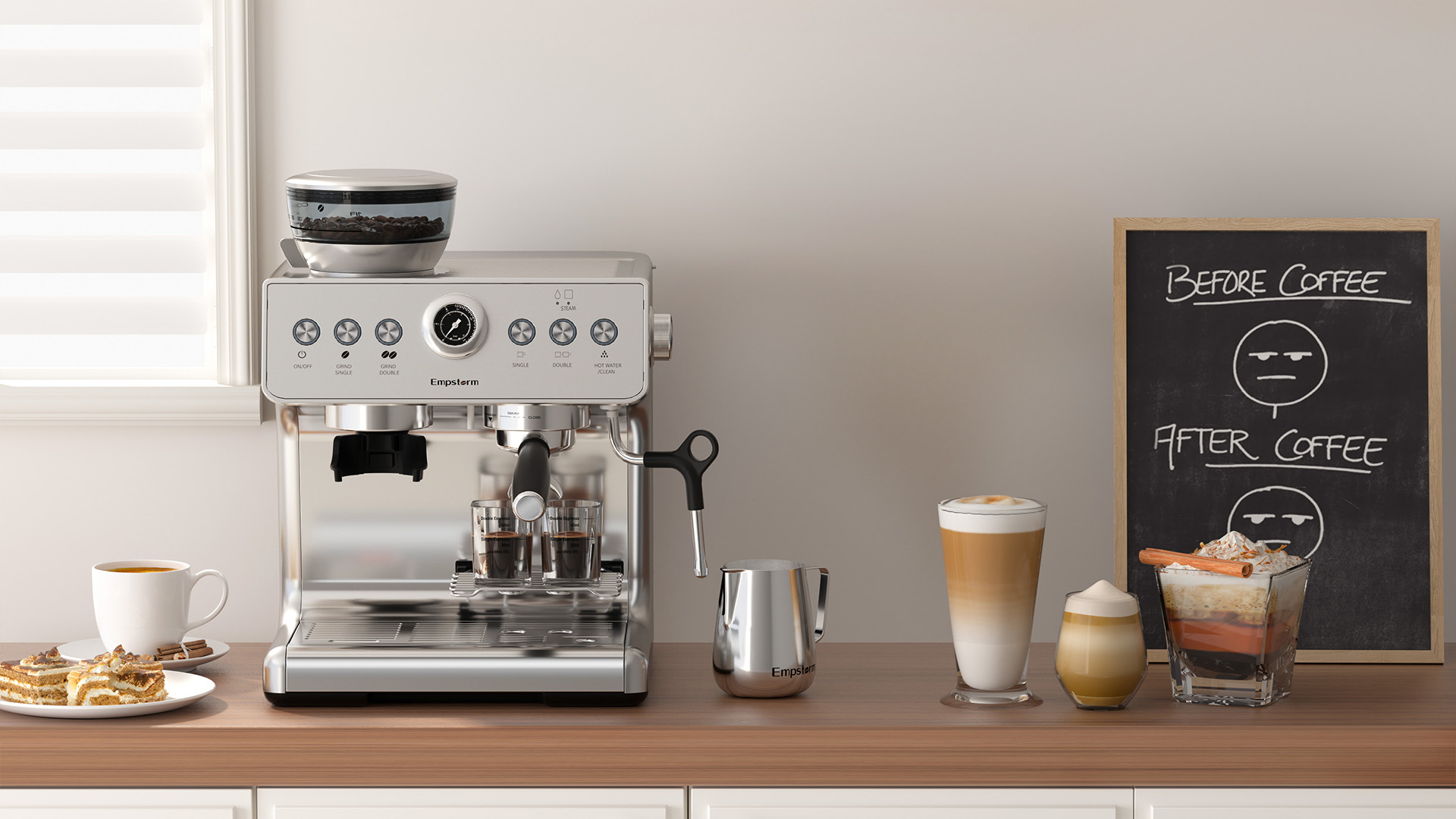
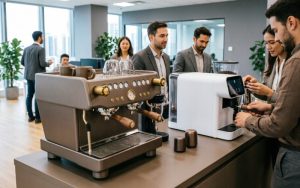
Office environments typically benefit from convenient operation, clear controls, manageable cleaning routines, and reliable output for shared use. Consider whether employees need individual drinks, batch coffee, fresh-ground coffee, or a fully self-service experience.
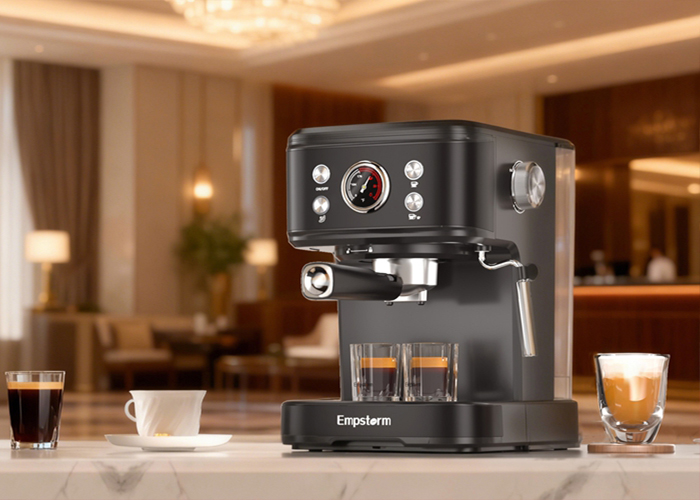
For retail and distribution, product selection should account for the target customer, expected price segment, packaging requirements, local compliance, replacement parts, and the level of technical support the channel can provide.
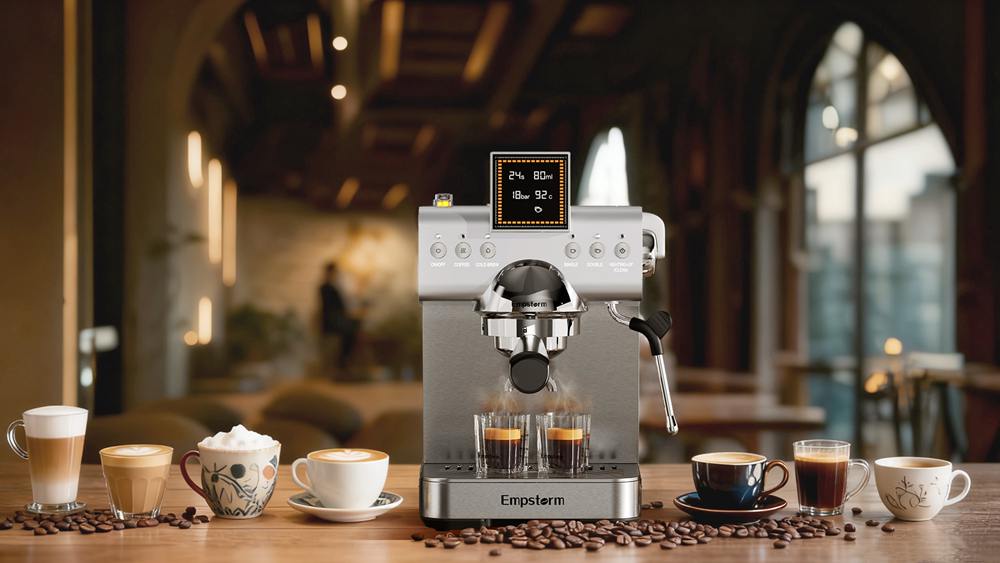
For retail and distribution, product selection should account for the target customer, expected price segment, packaging requirements, local compliance, replacement parts, and the level of technical support the channel can provide.
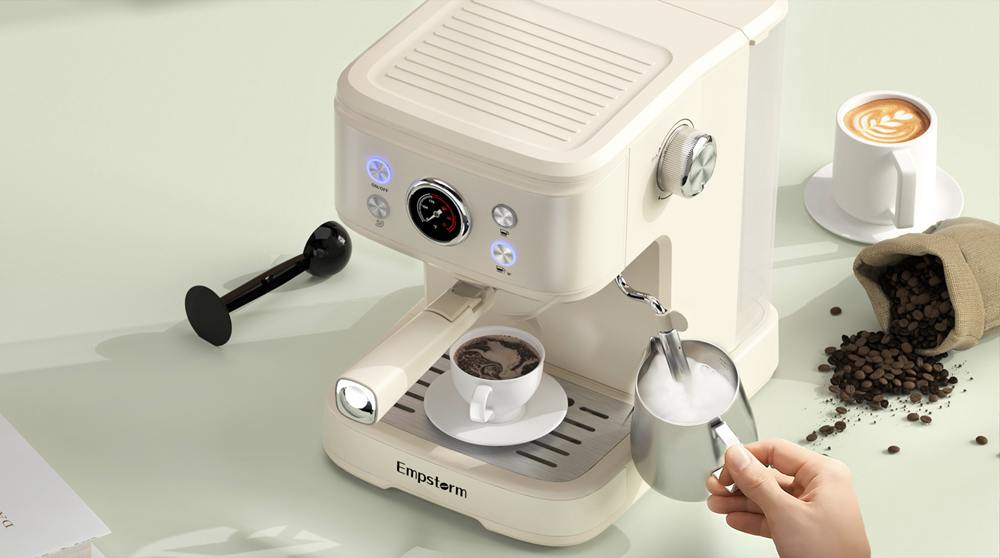
Home-focused coffee machines should balance performance, footprint, ease of use, and cleaning requirements. Retail buyers can use this category to compare espresso, pod, drip, and cold brew formats for different consumer preferences.
The right machine depends on who uses it, how often, and what drinks you serve.
Don’t find your applications? Explore more at our coffee machine solutions.
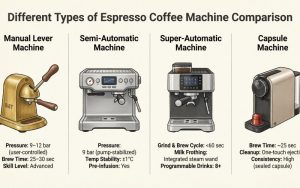
Coffee machine types use different brewing systems and create different operating experiences. A useful buying process compares machine types against the intended drinks, number of users, and level of control required.
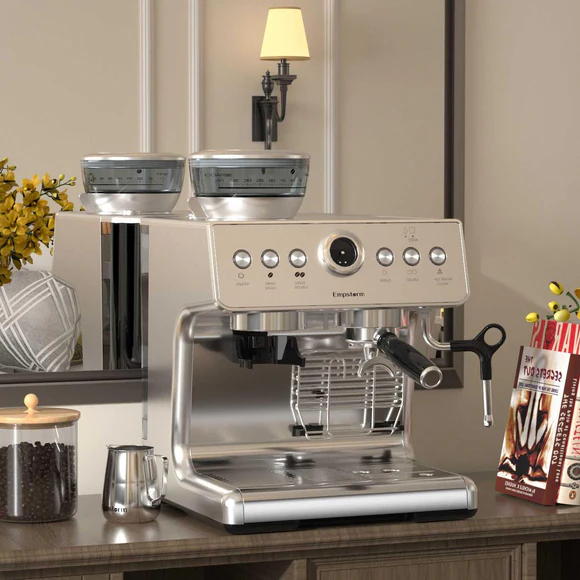
High-pressure espresso machines for rich, barista-style coffee. Perfect for home and cafés.
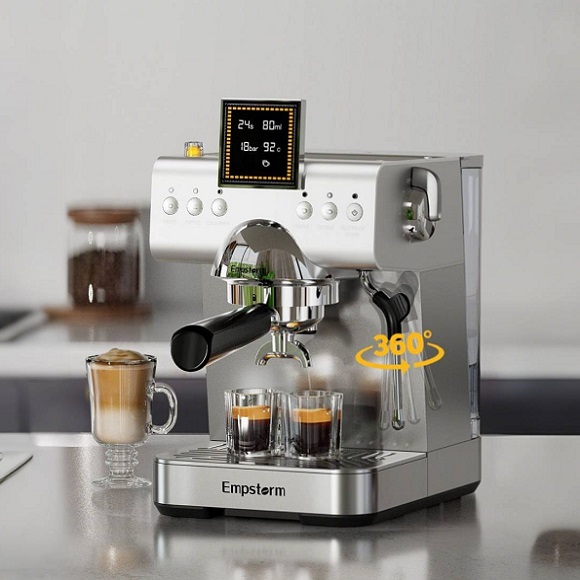
Make smooth cold brew coffee at home or in cafés. Easy to use and maintain.
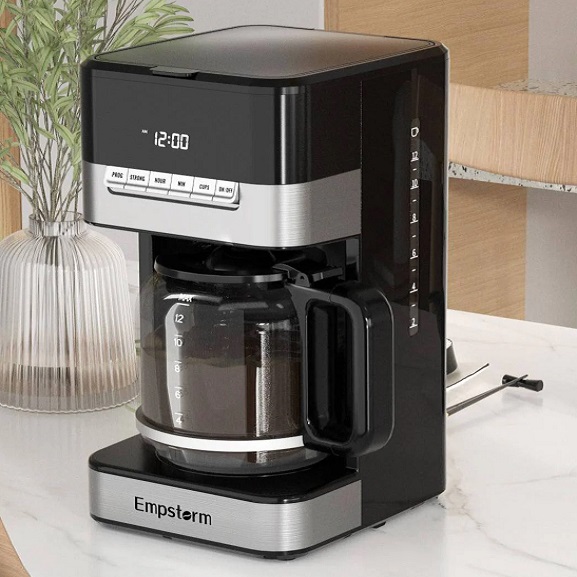
Convenient drip coffee makers for office or home use. Brew multiple cups easily.
| Machine type | Usually considered for | Key buying considerations |
|---|---|---|
| Espresso machine | Espresso, Americano, and milk-based drinks | Extraction control, steam capability, workflow, and operator skill |
| Bean-to-cup machine | Offices, hospitality, and convenient fresh-ground coffee | Drink options, cleaning cycle, grinder setup, and expected demand |
| Pod or capsule machine | Offices, guest rooms, and convenient single-serve use | Pod compatibility, supply availability, waste handling, and user simplicity |
| Drip or filter coffee maker | Batch brewing for offices, catering, and homes | Batch size, warming method, brew cycle, and cleaning routine |
| Cold brew machine | Cold beverage programs and specific retail or hospitality needs | Brewing method, serving format, cleaning, and menu fit |
Machine type alone does not determine suitability. A bean-to-cup machine may work well in a self-service office, while a semi-automatic espresso machine may be more appropriate where trained staff need greater control. Use the machine type as the starting point, then compare the actual operating requirements.
Product specifications should be evaluated in context. A higher number on a specification sheet is not automatically better if it does not support the intended use case.
Confirm the drinks the machine can prepare and the workflow required for each one. Consider espresso, black coffee, milk drinks, pod-based drinks, filtered coffee, or cold beverages according to the menu you intend to offer.
Estimate both total daily servings and the busiest serving period. Peak demand often determines whether a machine can maintain a practical workflow in an office, restaurant, or hospitality setting.
Check water tank or plumbing requirements, heating design, power rating, voltage, plug type, and installation conditions. These details should match the destination market and the planned installation environment.
A buying decision should include the routine work required after installation. Ask how often the brew system, milk system, drip tray, water circuit, and grinder need attention, and confirm who will provide service support when needed.
Distributors should assess whether a model complements the existing product range. A coherent range may include convenient pod models, practical drip machines, fresh-ground options, and espresso machines for customers with higher beverage expectations.
This practical guide walks through the key decisions behind coffee machine selection, from beverage requirements and daily usage to maintenance planning, commercial specifications, and distribution considerations.

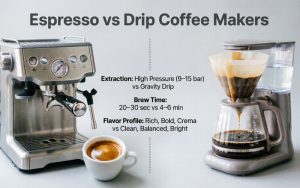


Use these checkpoints to avoid mismatched purchases and reduce returns.
These “vs” topics capture strong buyer intent and help users make faster decisions.
Ready to choose models for your channel?
Request wholesale pricing and model recommendations
Browse product categories
To better understand coffee machine technologies, selection criteria, and maintenance considerations, explore the related guides below.

Tell us about your target application, market, preferred machine category, and expected product requirements. Empstorm can help you identify relevant models and provide product information for an initial distributor or project discussion.